The drizzle died down halfway through the morning. It was considerably less wet and a lot warmer on this glorious day. (I would prefer more chill as usual, but..). We were back! And it was time for me to range further from the city area and its sheltered cafes..
Beitou hot springs was one of the destinations we had missed during the last trip, and I was determined to check it out this time round.
It was a nearly 2-hour MRT ride towards Beitou, and since it was a Tuesday, the train was only moderately crowded. I arrived at Beitou train station shortly after lunchtime and the sun was already bright and hot.
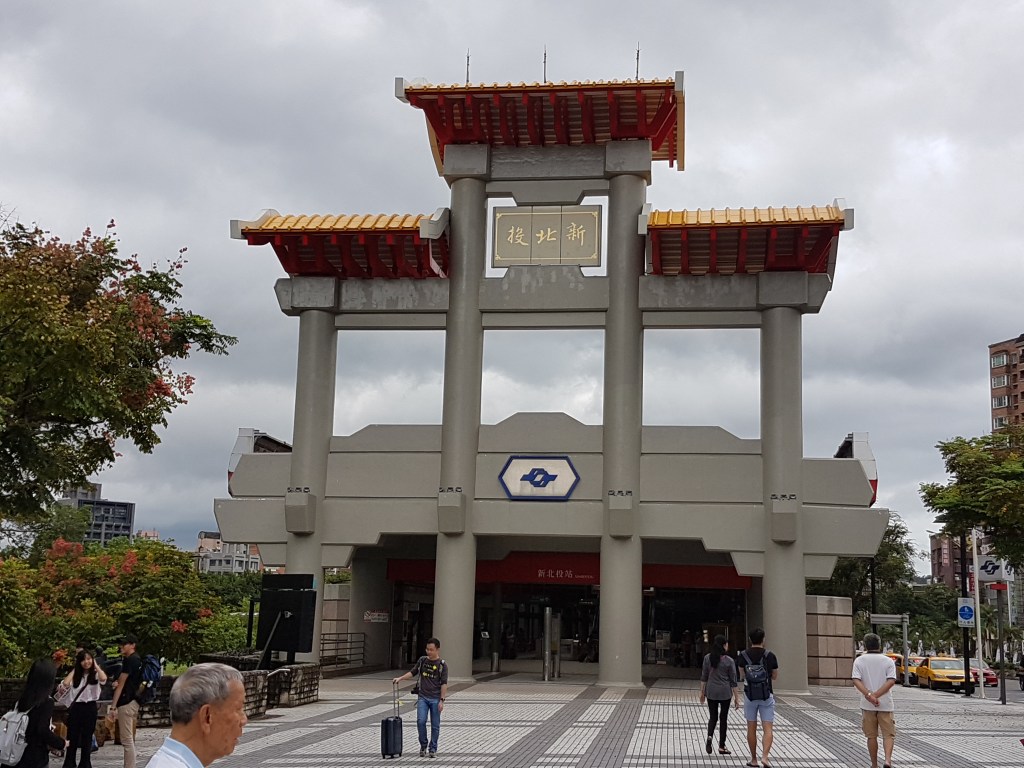
The Beitou town itself was very agreeable – with low-sedate traffic and life went about at a sedate pace all around. It was obvious that the thermal hot springs was the central crux of the entire town and there were helpful signs that guided you up a gentle slope towards it.
Beitou is a famous home of hot springs in the Taipei area and locals and foreigners alike throng this attraction even on a work day.
During the Japanese occupation, the area around the natural hot springs was developed into a resort destination filled with nice resorts, inns, hotels, tea houses, parks, and public baths. Eventually a train line and station were built to add on to its popularity and attract visitors from far and wide.
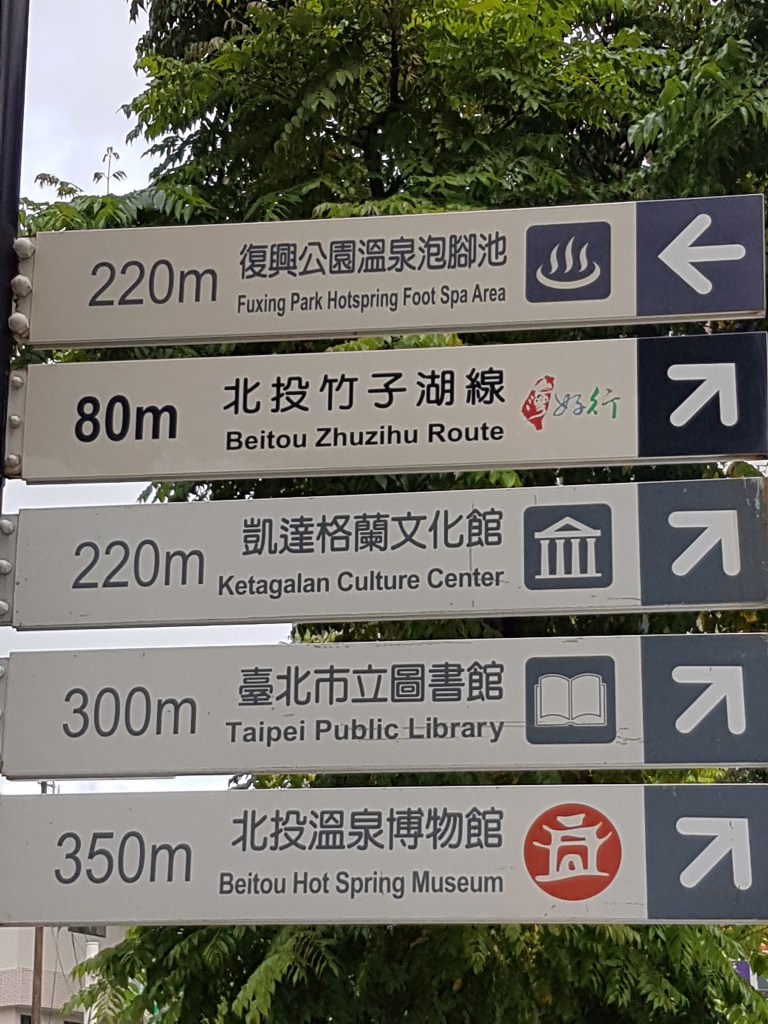
The area around Xinbeitou station is filled with various public and private baths – each with different themes, as well as etiquette and general rules.
It was an agreeable hike as you got to check out libraries, school halls and even school outings happening all around. It was obvious there were school trips to these spring everyday as you could see youngsters in uniforms rushing for selfies.
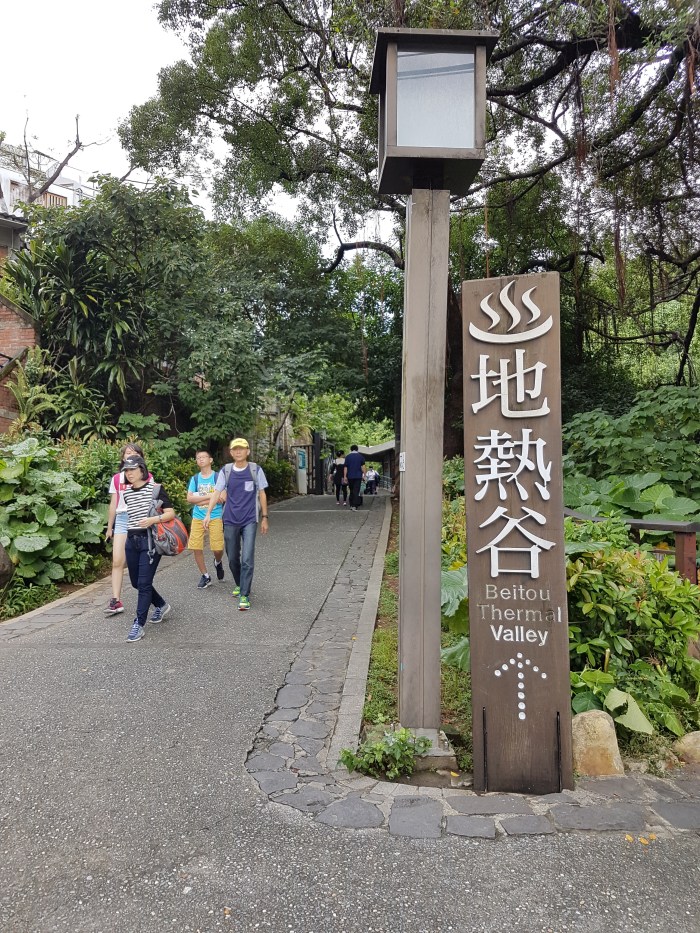
After a 45 minutes hike through a mad-made garden reserve along a canal which look more like the town’s sewer channel, I finally arrived at my destination.
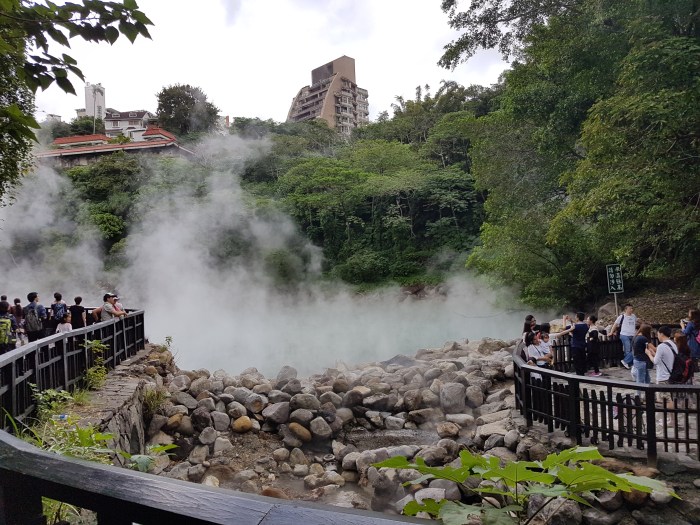
It was a true-blue sulphur geothermal spring and I was really glad I took the trouble to check this out. Wispy steam nearly blocked your view of the water and the deceptively calm surface literally emitted sulfur fumes right before you. The rotten egg smell wasn’t that overwhelming but was there, and the actual heat emanating from the water was palpable. It was the closest I have been (I could actually touch it if I was dumb enough to) to such a geographic phenomenon and certainly opened my eyes.
Today was a full day so I did not tarry long. I took my fill of the geothermal spring and moved on to Tamsui, which was a few stops away westwards. We were now in the northern, touristy part of Taipei, and to your east, you could behold the slopes of the iconic Yang Ming Mountain rearing up right before your eyes, blocking half the sky.
Located at the northern tip of Taiwan, Tamsui is located along the north coast of Taipei – near its northern tip – about 40 minutes from the city area. It is home to a variety of western colonial, Japanese, southern Fujianese, and native Taiwanese cultural and architectural attractions and is most renowned for its amazing sunset landscape.
A large array of restaurants, cafés, shops, hawker stalls, street performers, traditional cultural performances can be found at Tamsui and it is the gateway to Taiwan’s scenic North Coast.
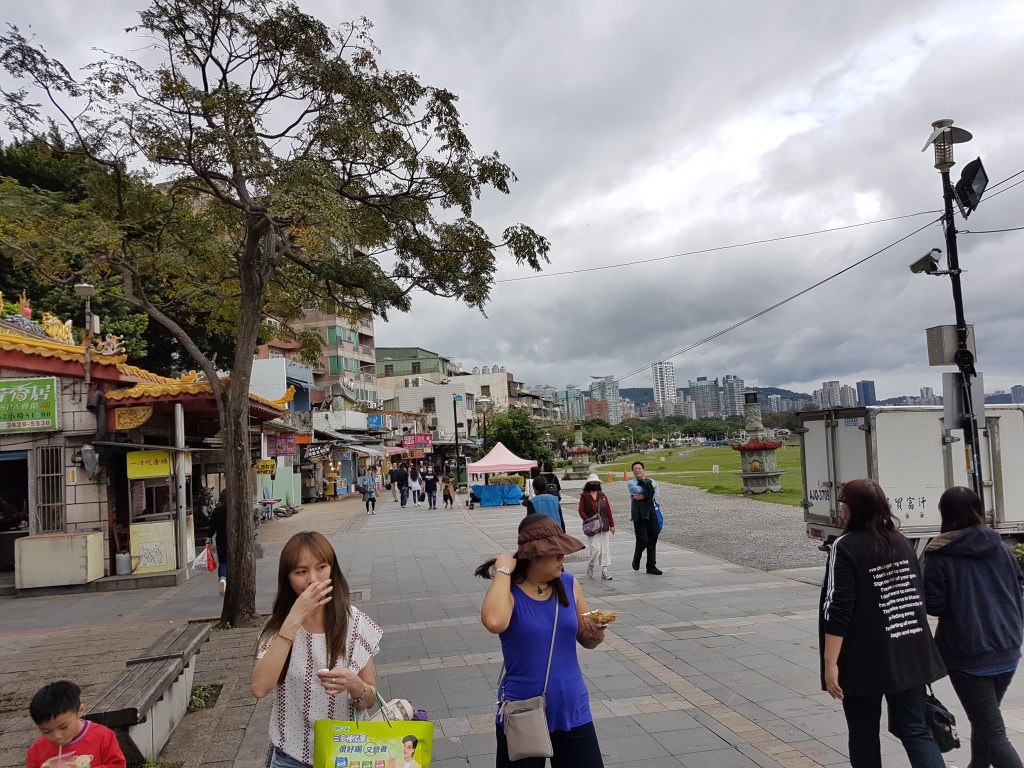
Tourist attractions here include Tamsui Museum, Hongmao Cheng, Tamsui Customs House Museum, and Hobe Fort. But I did not head north and thus did not visit any of them. ( I had a tight schedule across the Tamsui River and could not tarry long)
History of Tamsui (excerpt from http://www.formosaguide.com)
Tamsui,like nearby Beitou, was originally settled by Ketagalan Aboriginals, and like all aboriginal tribes in Taiwan they date back so far no one knows when they arrived or where they came from. The Spanish arrived in 1629 to use it as a base for their colonisation of the Philippines and trade with China and Japan. In 1641 the Spanish were driven out by the Dutch, who were already settled in present-day Tanian. The Dutch encouraged migration from China and developed the area to produce raw materials (including sulphur from Beitou).
In 1661 the Dutch were defeated by Koxina, a loyalist to the Ming Dynasty who intended to use Taiwan as a base to amass an army and return to China to defeat the new Qing Dynasty, very much like Chiang Kai Shek and his Chinese Nationalist Party three centuries later (neither even made it back to China, let alone re-captured it). In 1862 the Qing government opened Tamsui to foreign trade, and it quickly grew a large foreign population. The Fort Santo Domingo became a British Embassy, which it remained as until the British cut diplomatic relations with the Republic of China in 1972 (except for a short closure during World War II). By the time the Japanese took over Taiwan in 1895 the build-up of silt in the Tamsui river limited its suitability as a port, so Keelung took over this role and Tamsui was reverted to an agricultural town. After the handover to Chiang Kai Shek after World War II Tamsui became a sleepy fishing town until the opening of the MRT in 1997, from which point it grew quickly into the tourist attraction it is today. The MRT has also made it in increasingly popular residential area, with fresh air, open spaces and cheaper apartments than in Taipei City.
I took a slow walk along the iconic Fisherman’s wharf, towards the jetty, taking in the usual sights which are now terribly familiar to me. You have souvenir shops, a shop selling fruit juice, one hawking Taiwanese sausages, octopus balls, grills squid, and last but not least – bubble tea here, bubble tea there, bubble tea everywhere.
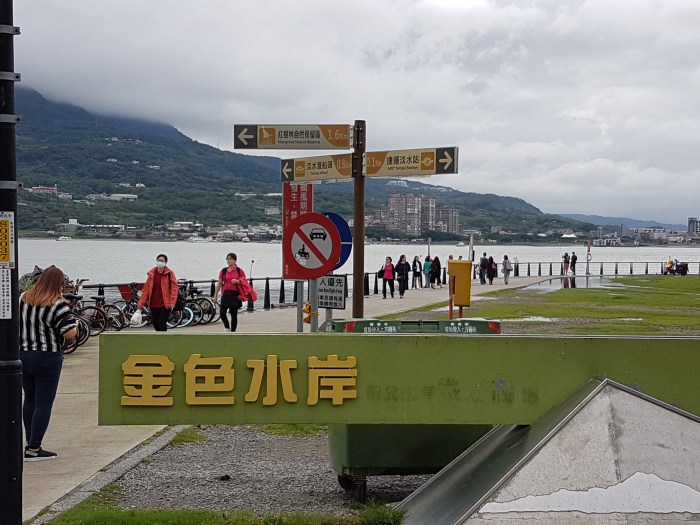
Then right before the jetty, the street naturally exploded into colors – this would be the day/night market which sold exactly the same stuff as every other night market in Taipei. It was equally bustling and people and sound as well.
I asked around and finally found my way to the ticket booth, and after buying a ticket, queued up for the ferry which would take me across the Tamsui River over to Bali old town, which was staring at us over the water.
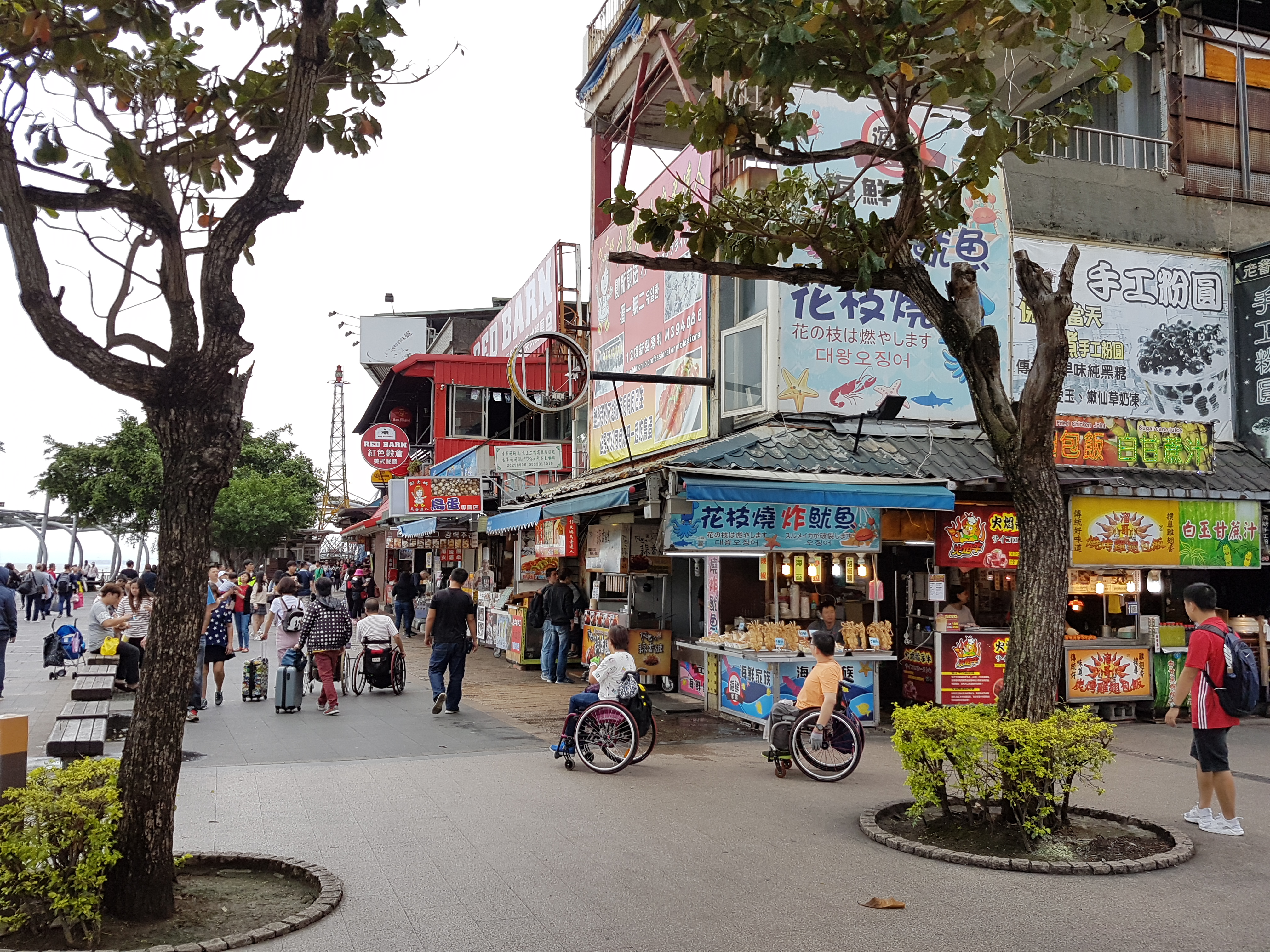
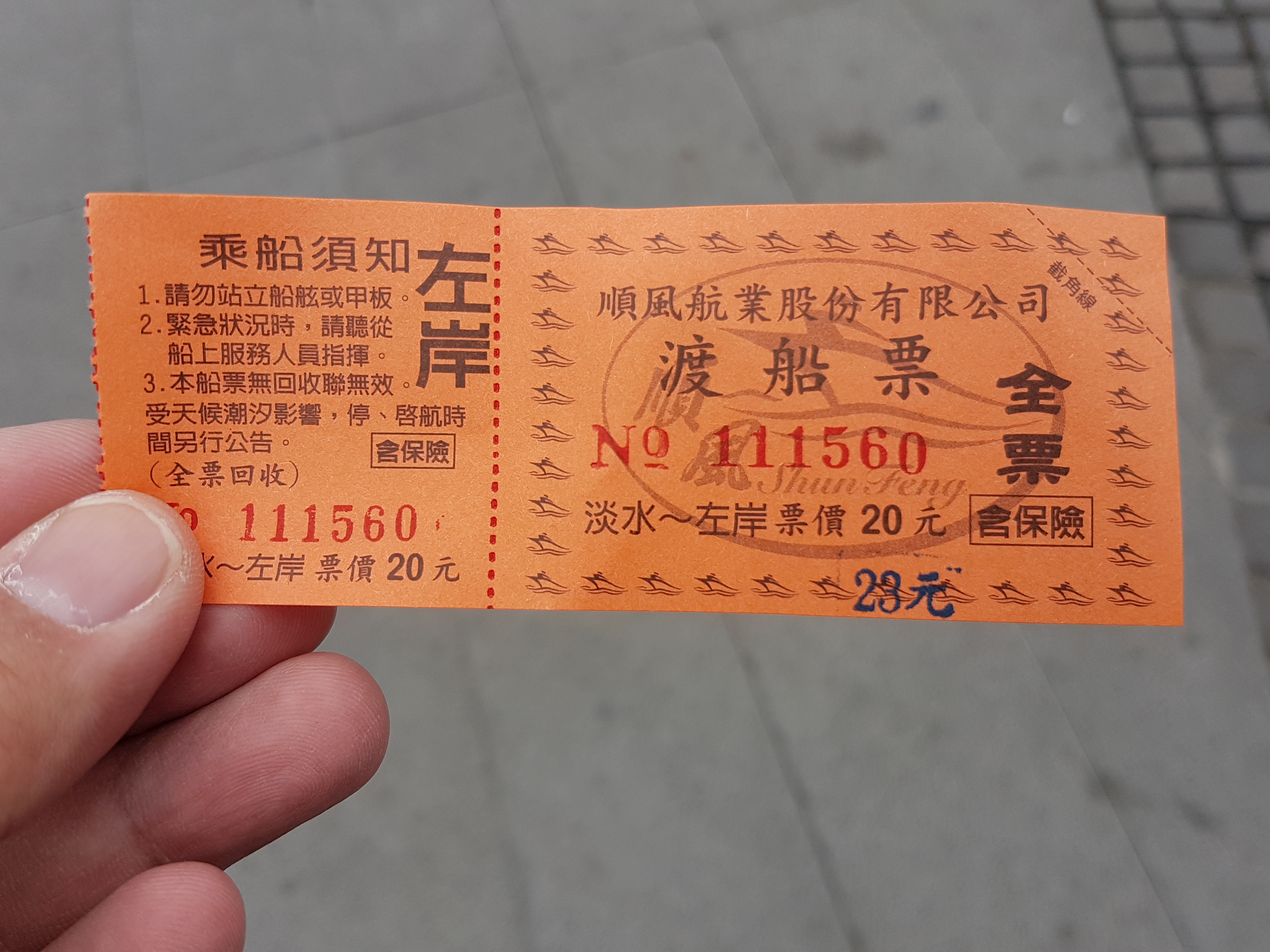
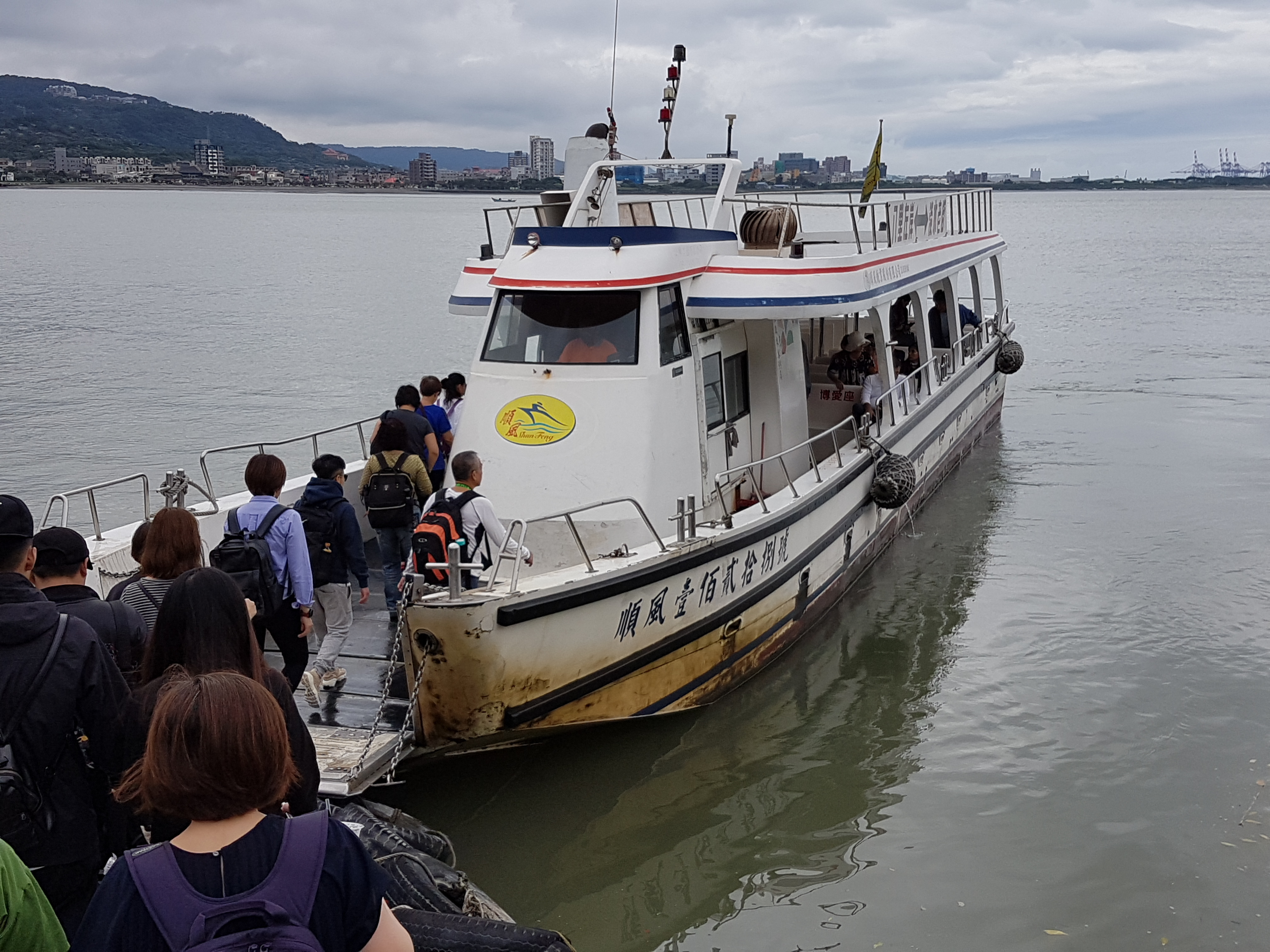
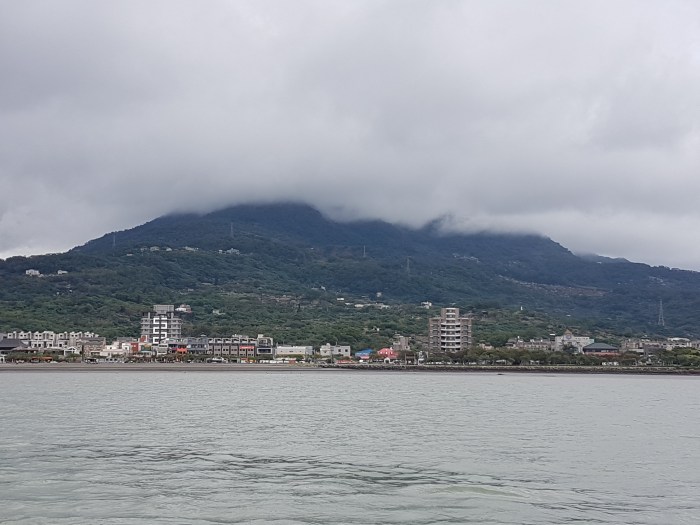
The ferry trip was refreshing and nice,and it was fortunate the weather was clear for pictures. The boat took a looped route, so the people on board (me) could take enough pictures of Yang Ming Mountain rearing into the clouds in the east, and the gentle hills with those villages dotted all around their feet in the west.
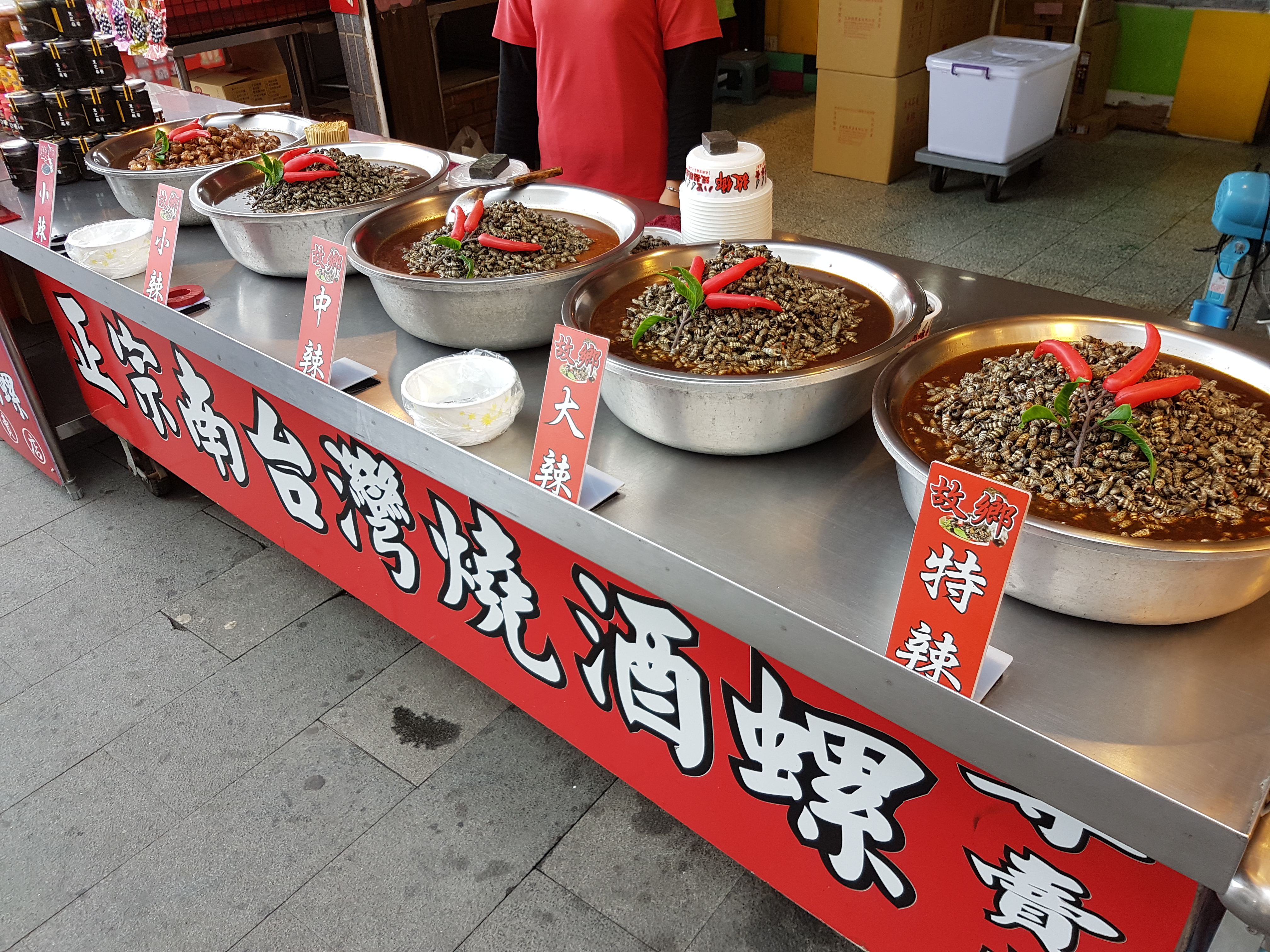
The ferry dropped us at Bali Old Town and I naturally checked out the Bali Old Street, which was another iconic street marketing attraction. Again the usual products and food were on sale, and an ever wider variety of grilled seafood of every imaginable species, along with sit-in coffee houses which would cook farm produce on the spot for you. I understand some (old) people really like these kind of eateries, as they do look rather fresh.
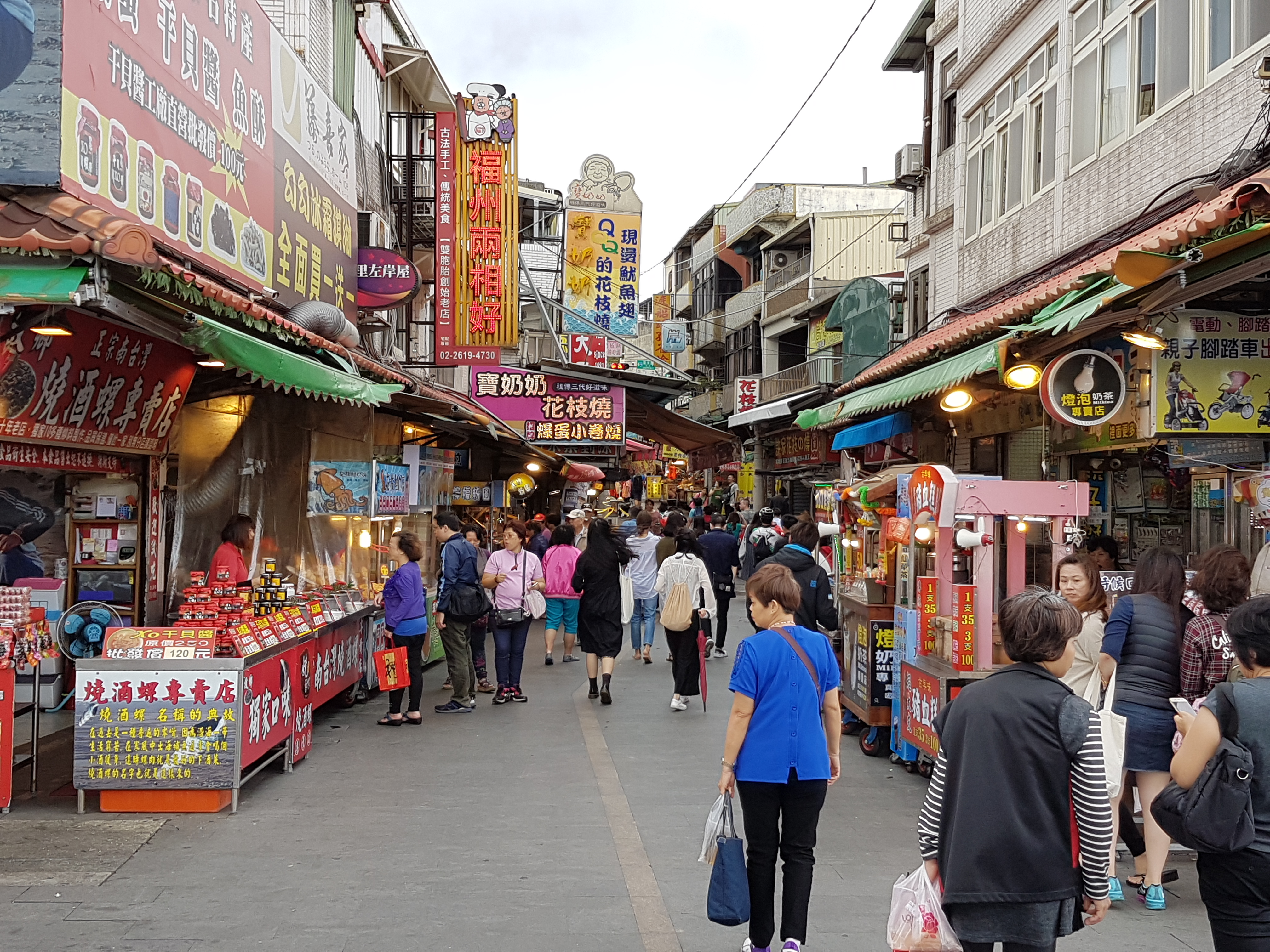
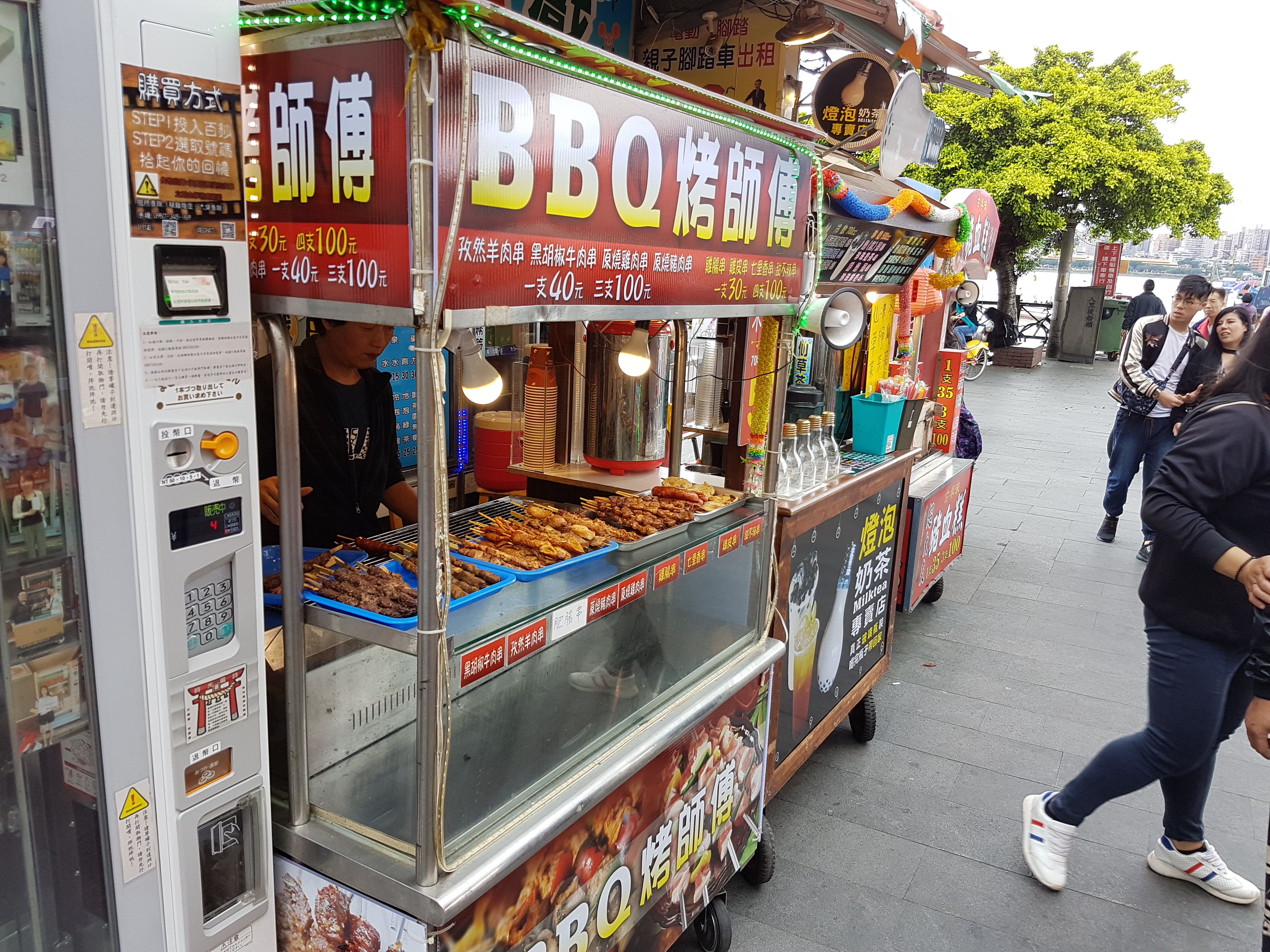
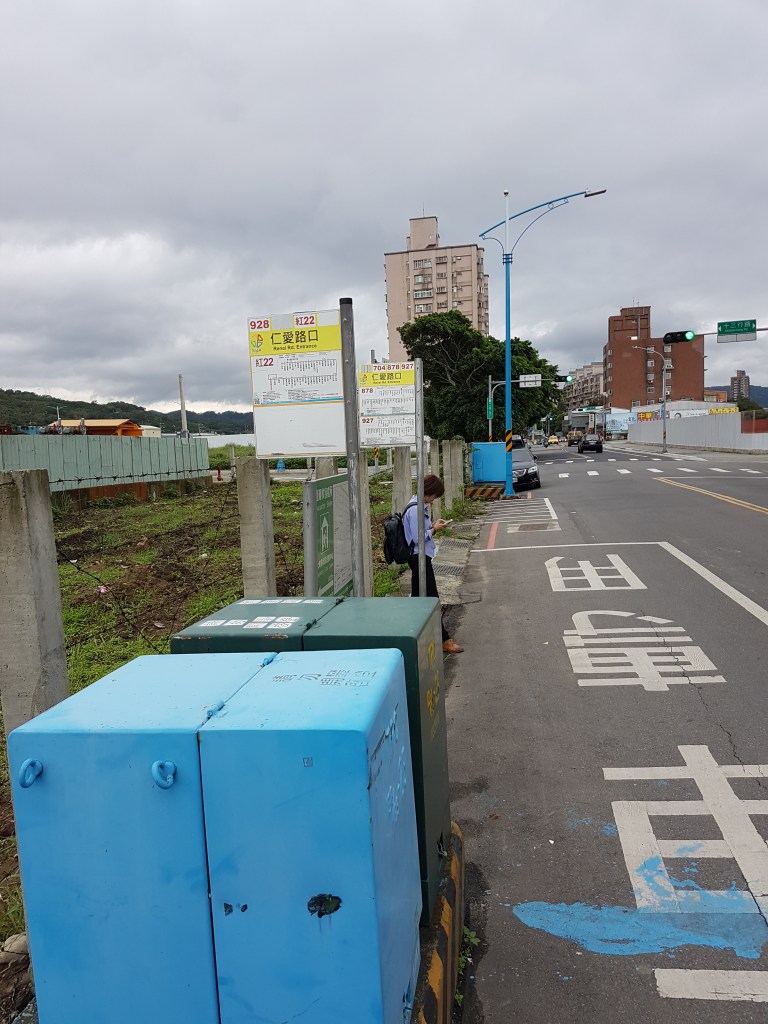
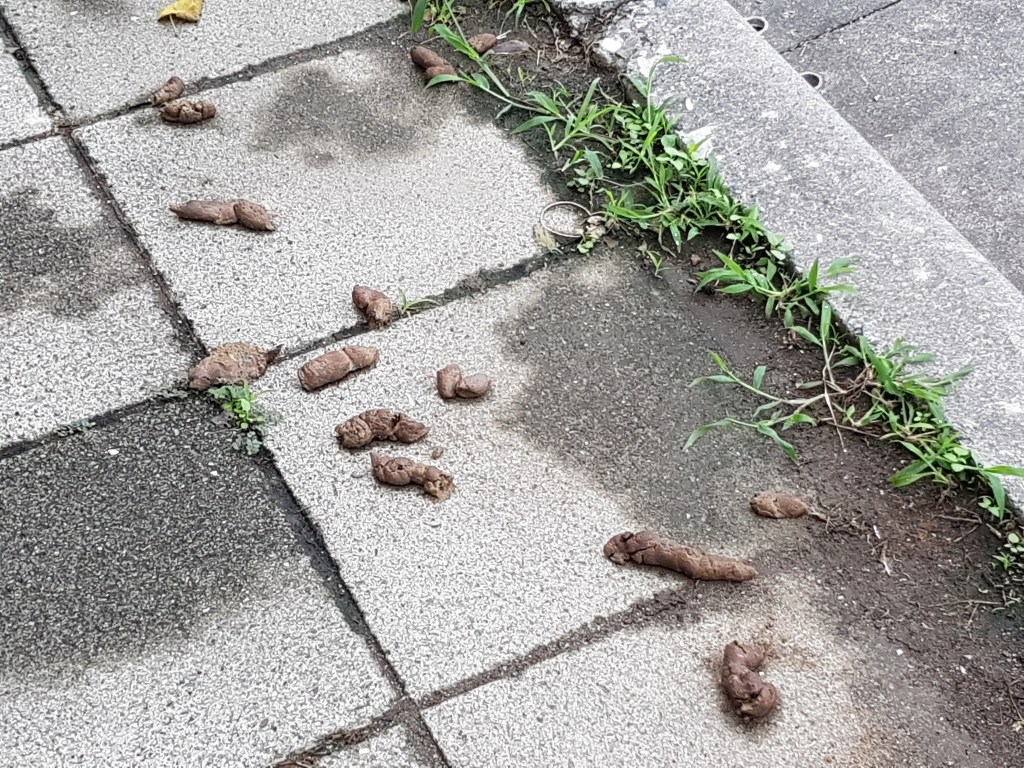
After trudging through the really colorful Bali Old Street, I waited at the bus stop for bus number R13 for a 15 min trip to my objective of the afternoon: the Shisanhang Archeological musuem. Well apparently nobody – not even the culturally advanced Taiwanese really like museums. The bus dropped me (and another lone passenger) at a stop at what looked like a deserted industrial park or old ship wharf. Well, I was at the northwestern coast of Taiwan, so it sort of made sense. The location was desolate with little or no vehicular or pedestrian presence, and the streets were littered with dog poo and some rubbish.
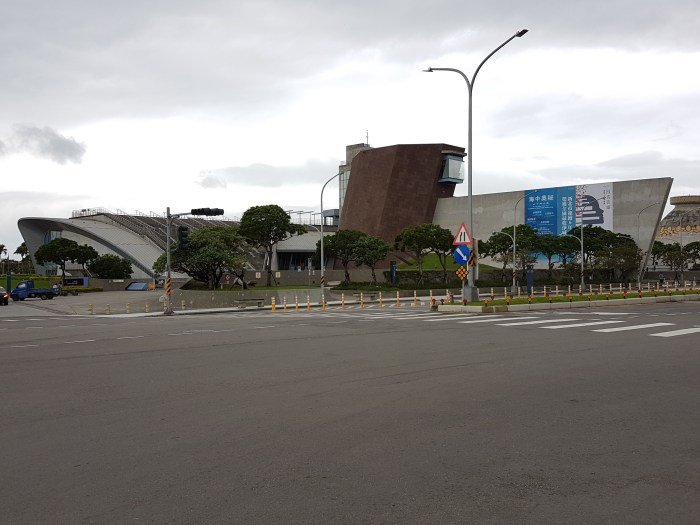
A 5 minute walk finally delivered me within sight of the museum. Architecturally aesthetic (like those modern fine-art museum structures I found in Sydney all those years ago) and somewhat looking like a Chinese cousin of the Sydney Opera House, it made me spend a few minutes divining the entrance and steps leading to the main lobby. I read that its architecture was in an archaeological theme, reflecting ancient civilization in (Taiwan) island-wide and in its outlying minor island.
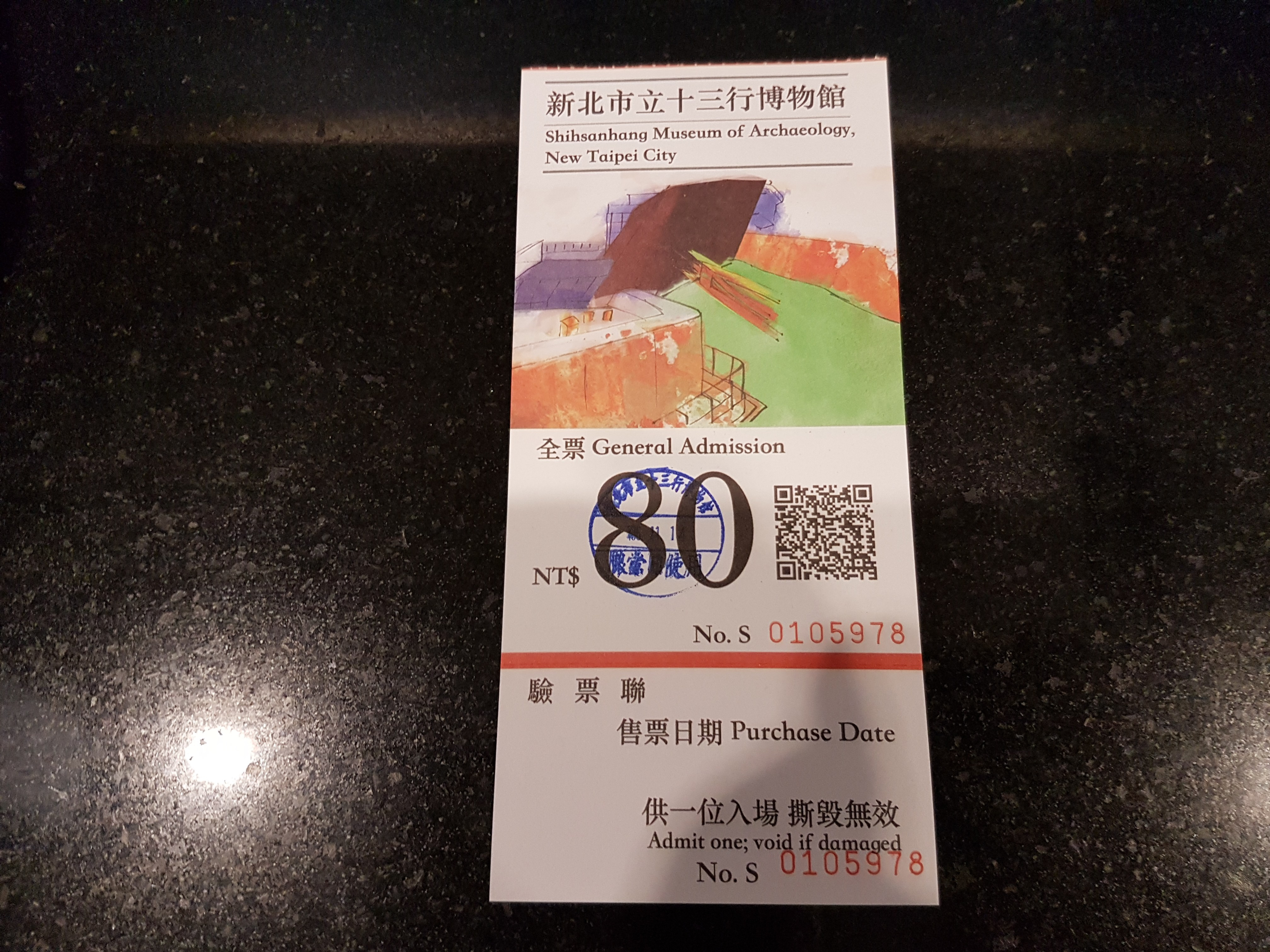
The 13th Site Museum of Archaeology (Het Dertiende Plaats Museum van de Archeologie/十三行博物館) is an archaeological museum located in Bali District, New Taipei, Taiwan. It conserves and displays artifacts from the 13th archaeological site, and is located at the foot of Guanyin Mountain near Däamzui, old Dutch administrative region (see Dutch Red Haus, Fort Äarmmo-Schee). The archaeological site dates back from 1,800 years ago (Iron Age).
The museum was educational enough, and you can tell it was made for school excursions with student-friendly signs, nice amiable museum guides and a pleasant, mild semi-dark ambience that encouraged exploration and observation.
The whole point of the museum was to showcase the archeological remains of original aboriginal Taiwanese natives before the Chinese came in to occupy it from the mainland. So I spent the next hour or so learning about what they ate, did, slept in and ran from in the old days – along with helpful and fun VR stalls (swim through an ancient shipwreck from the18th century) to play with, and interesting reads on the wall and even real fossils of these dudes.
I gave the entire complex a once-through, absorbed the knowledge there for the tasking and actually enjoyed the whole experience. The museum was high-tech enough, with laser sensing equipment, translators and 3D visual aids all there to impress.
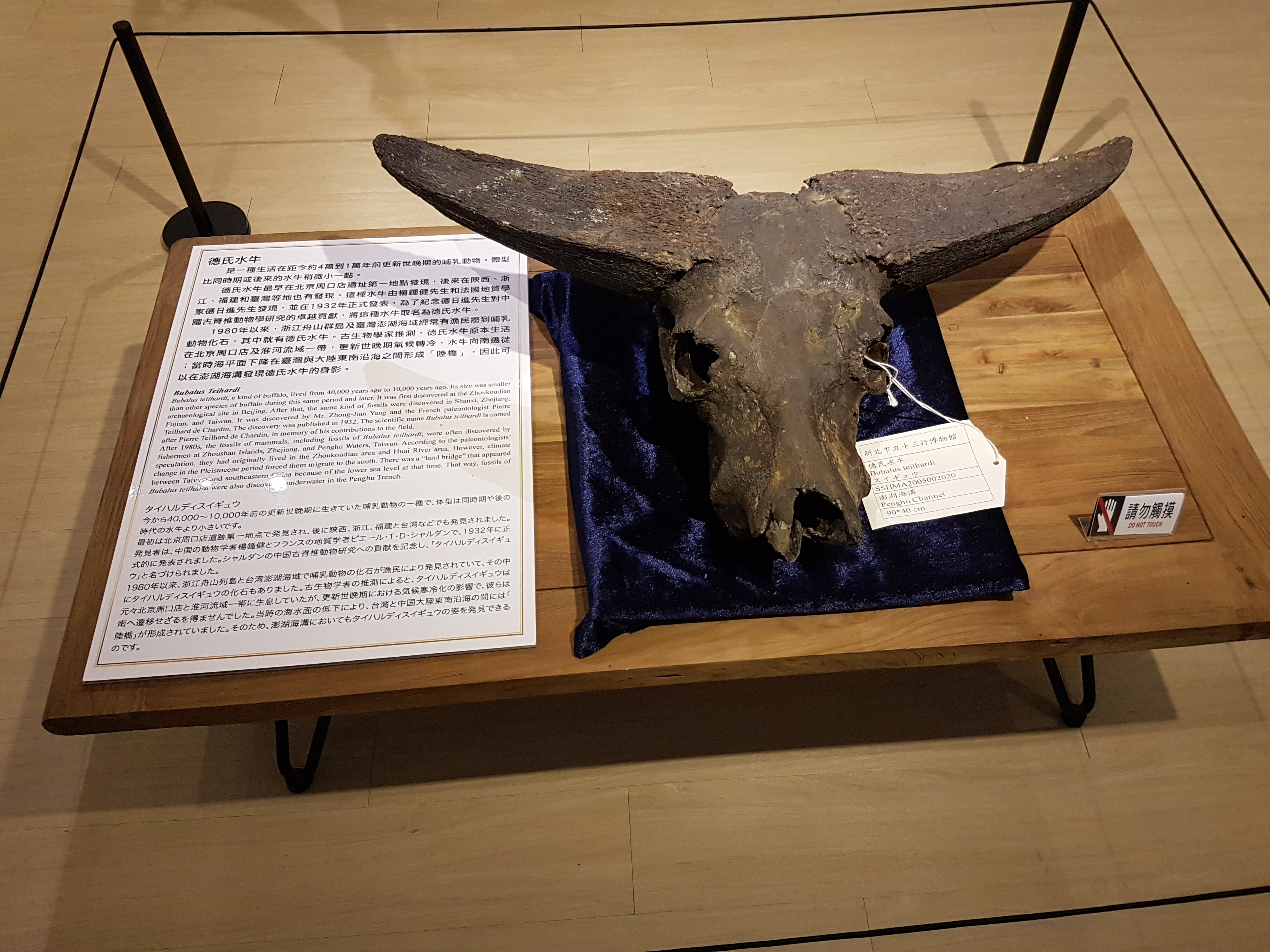
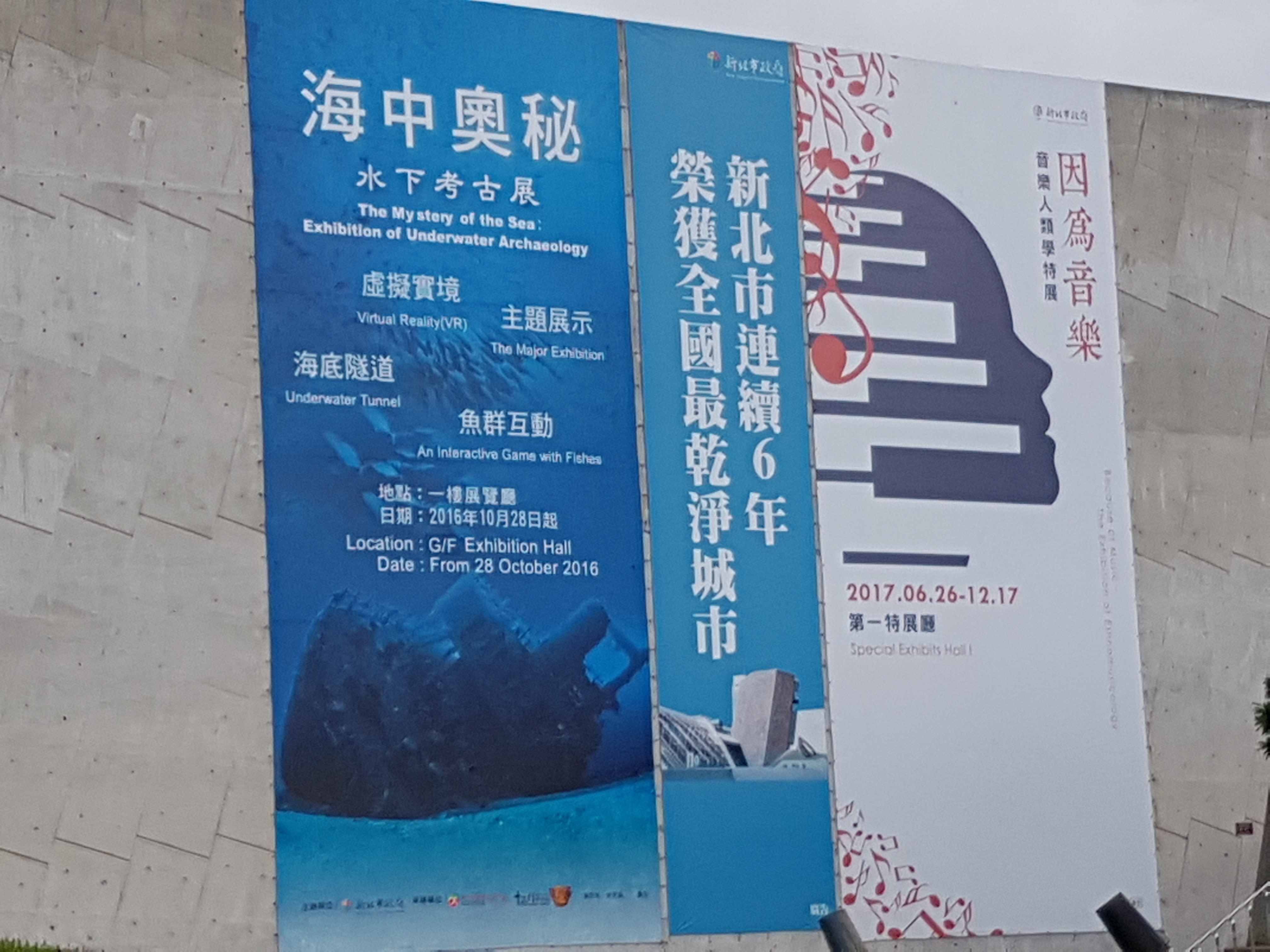
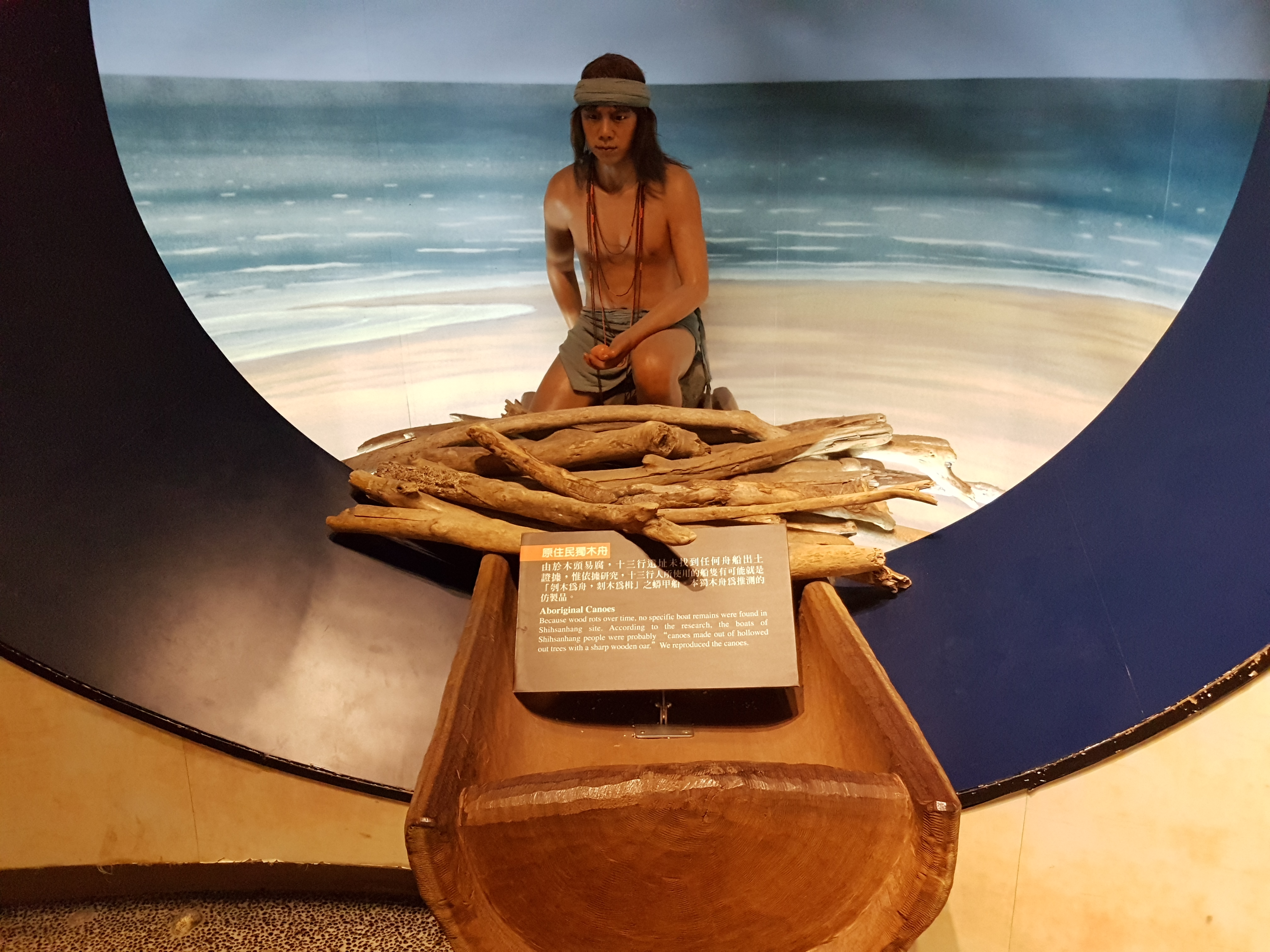
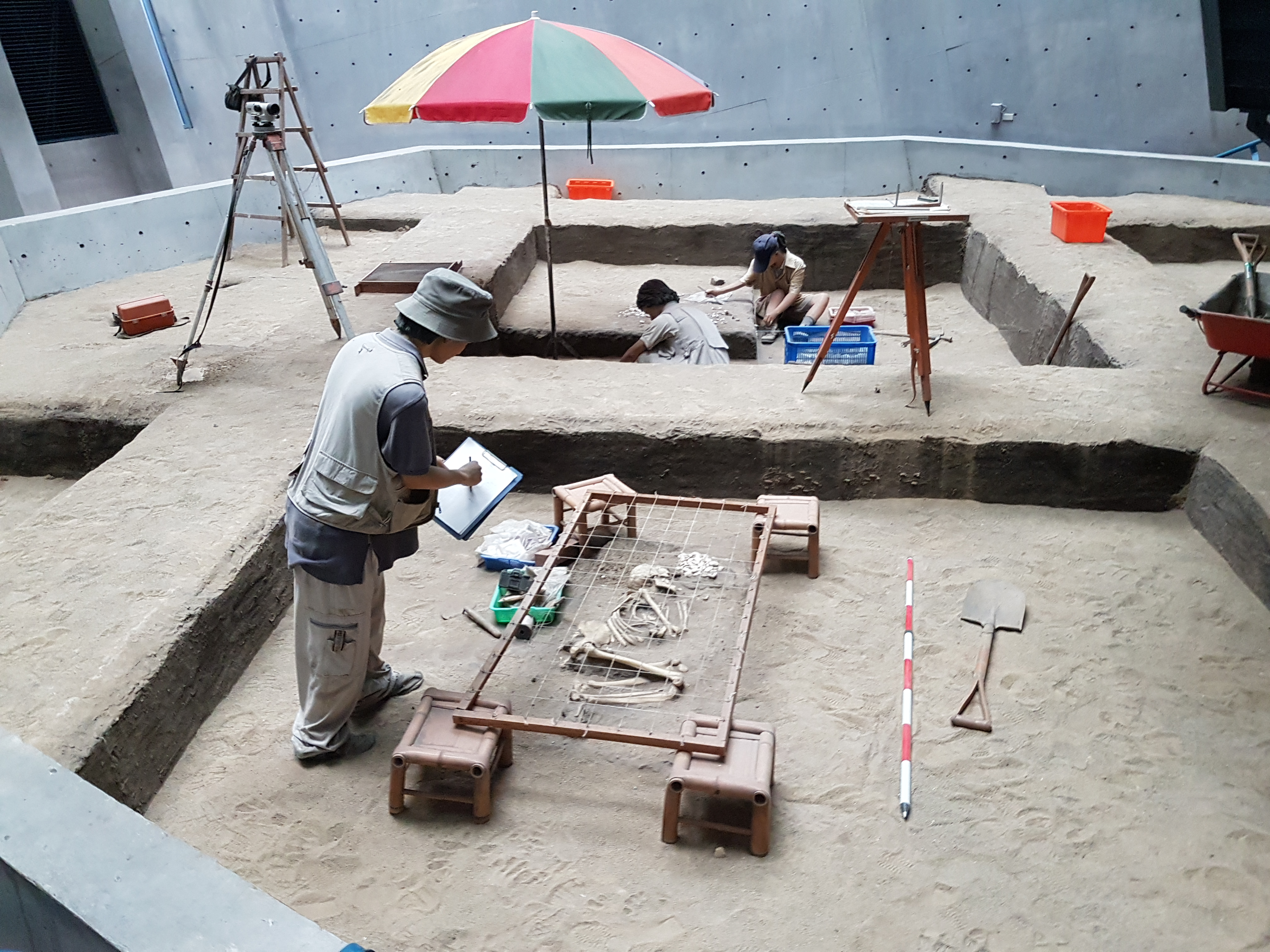
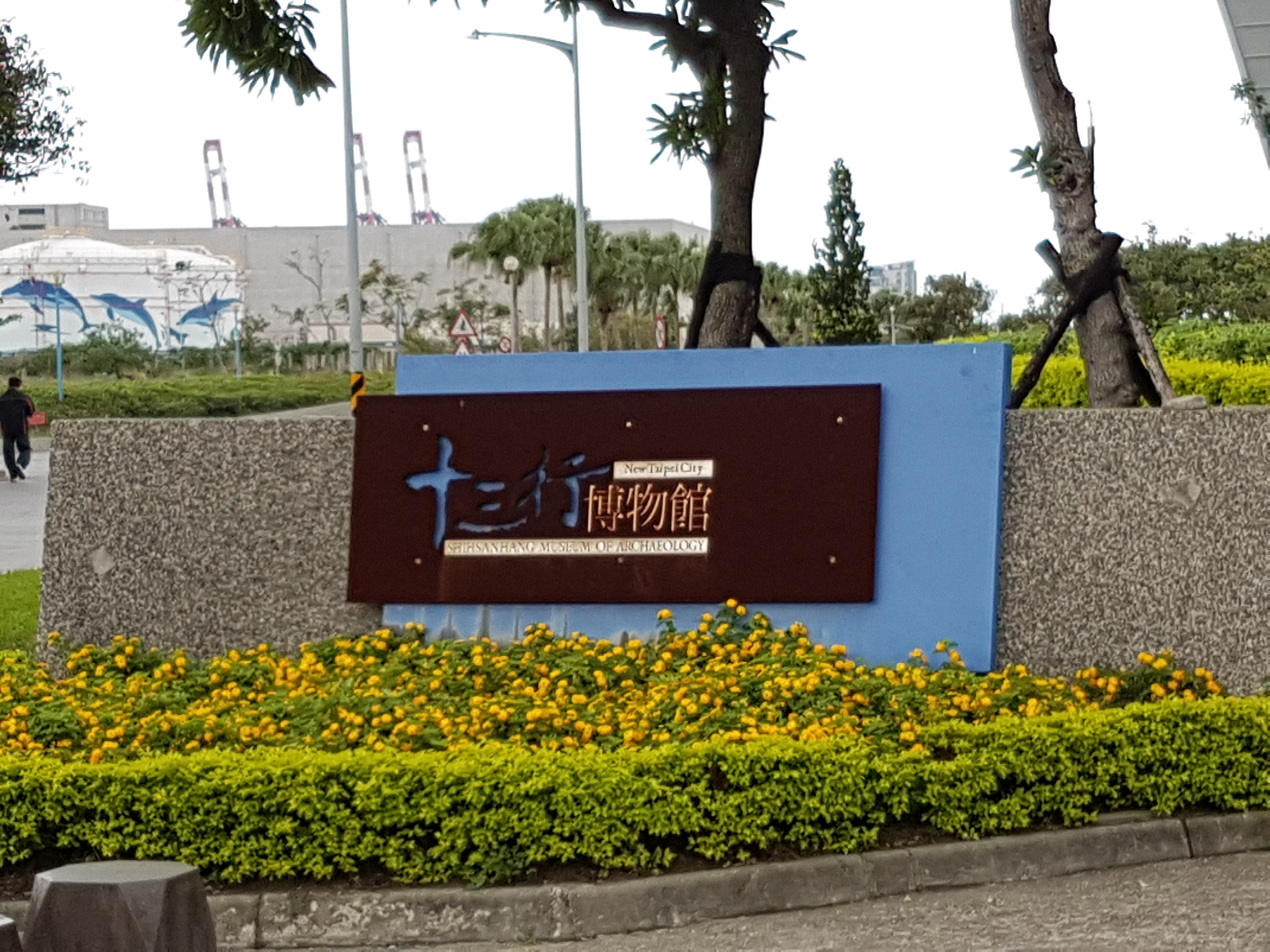
Evening beckoned as I emerged from the museum and that meant it was time for me to make my way back to Taipei city. I chose to take the R22 bus and traverse the long route through the countryside, across the bridge all the way to Guanpu MRT station back at the mainland.
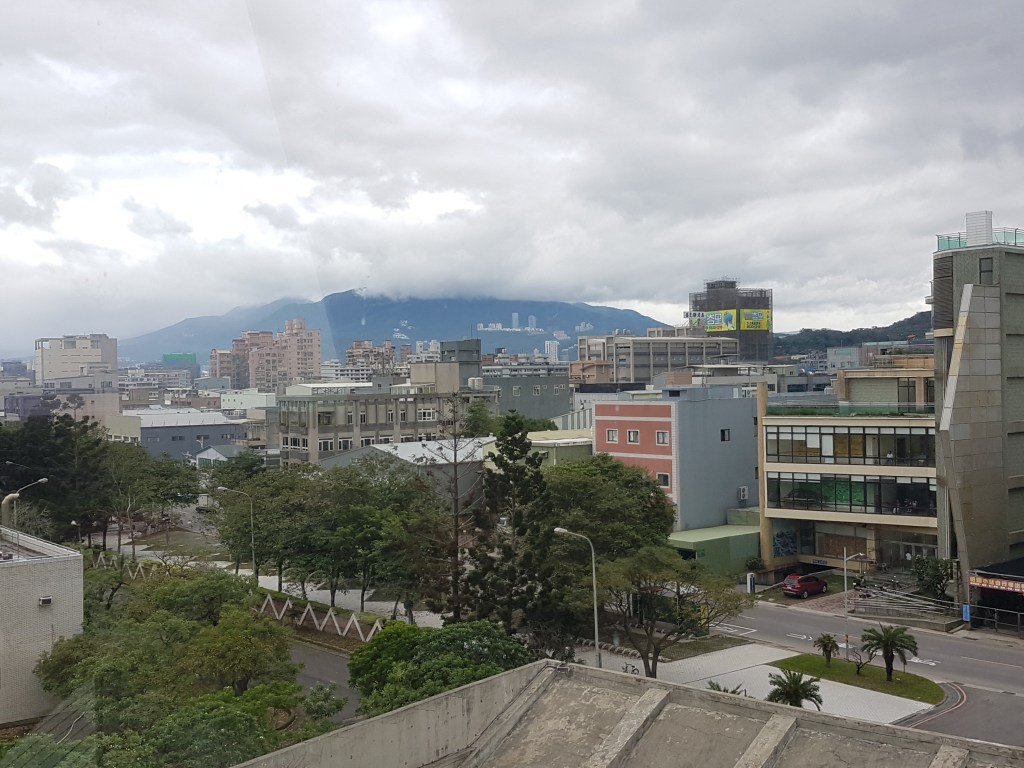
I whiled my time checking out the shops and stores around the Mrt stations and finally made my way to Shilin Night Market.
Well, too many people have blogged about this place, and there is little I can add to this. This night market is in short – a maze of food and games galore. I sort of marvelled at the sheer amount of stalls offering games resembling the funfair-shooting nature to actual gambling mahjong stalls (yeah serious dudes were putting money on the table) to beer mug sliding games which won you those plushies that chicks digged.
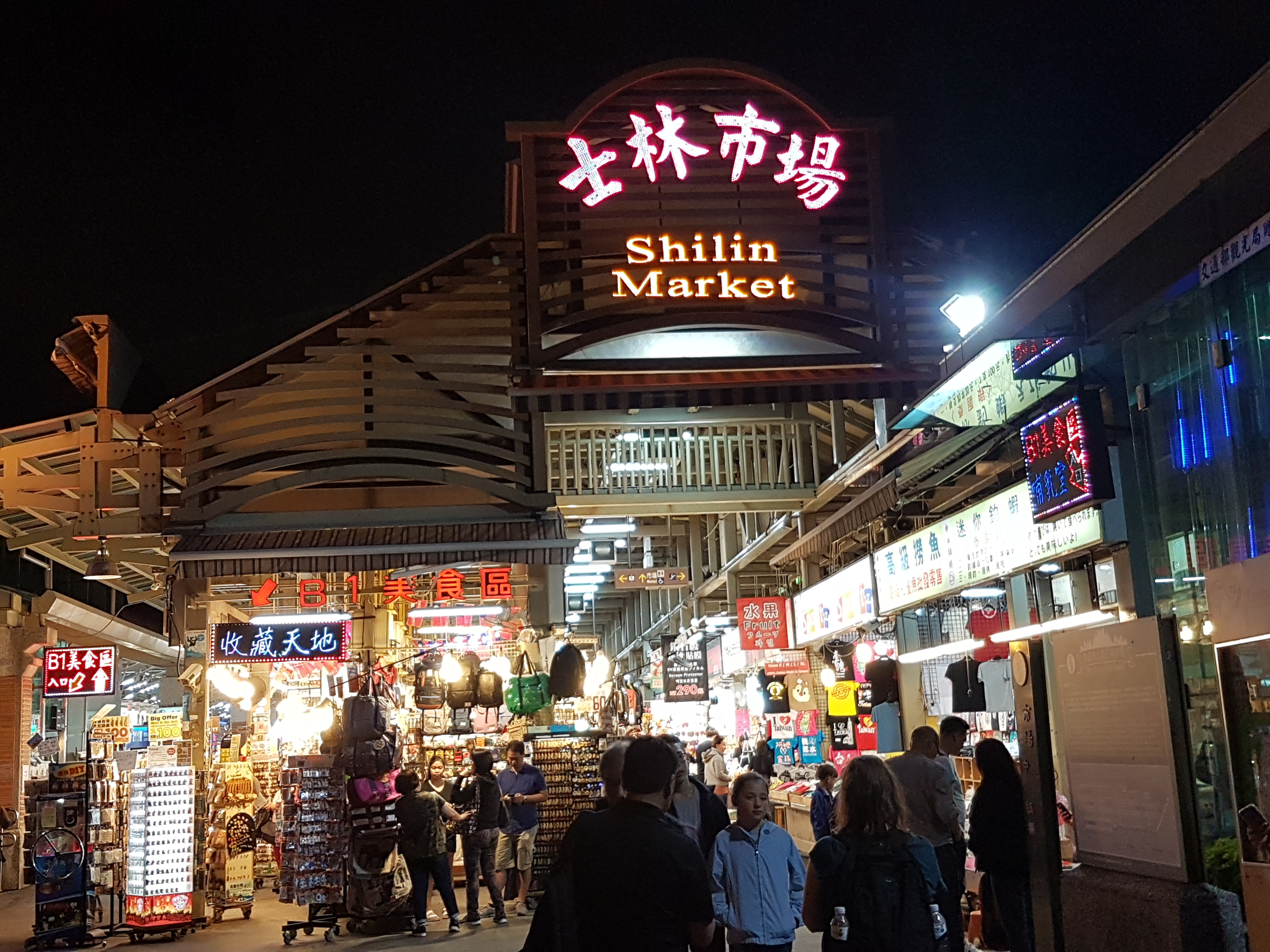
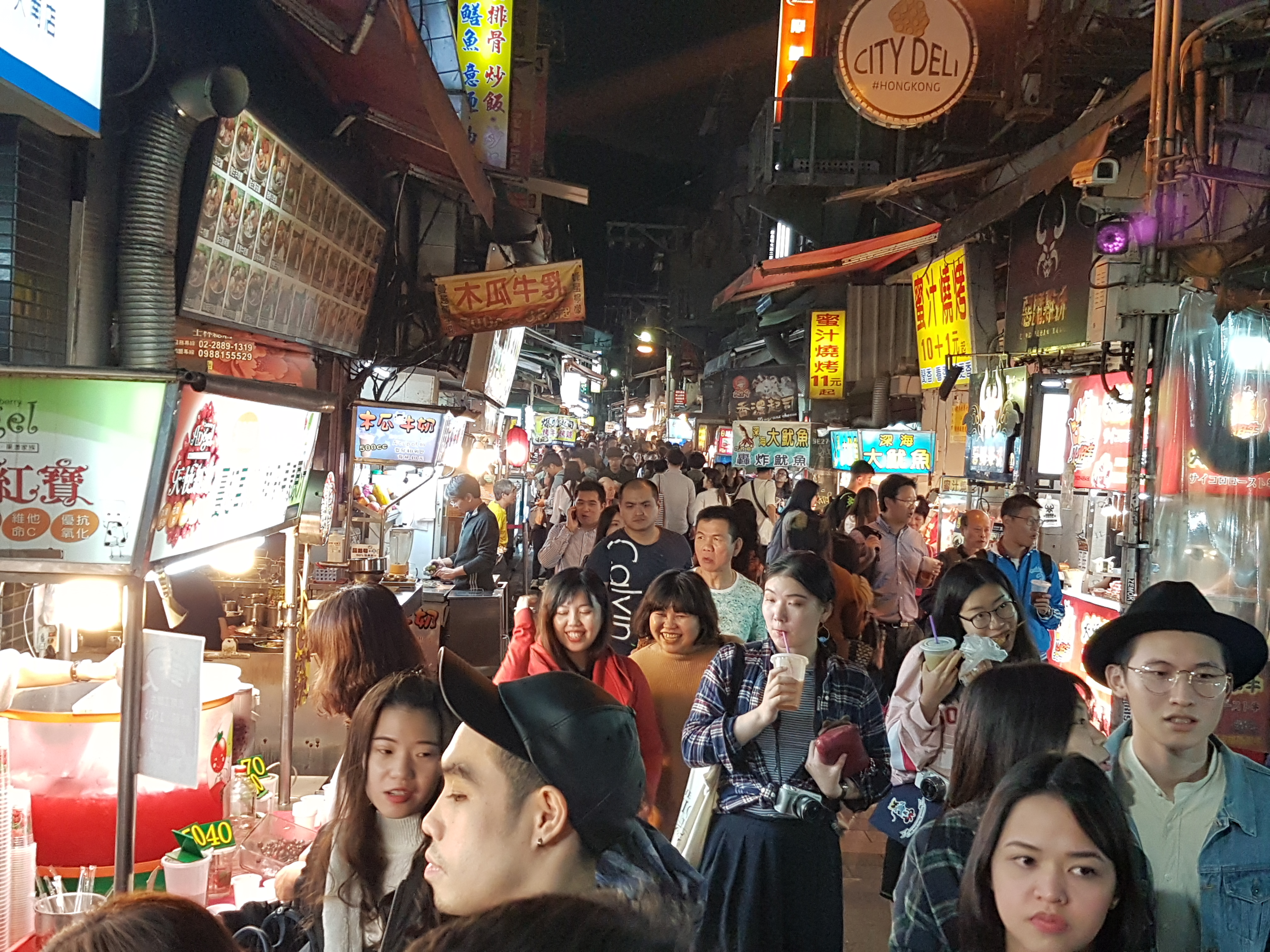
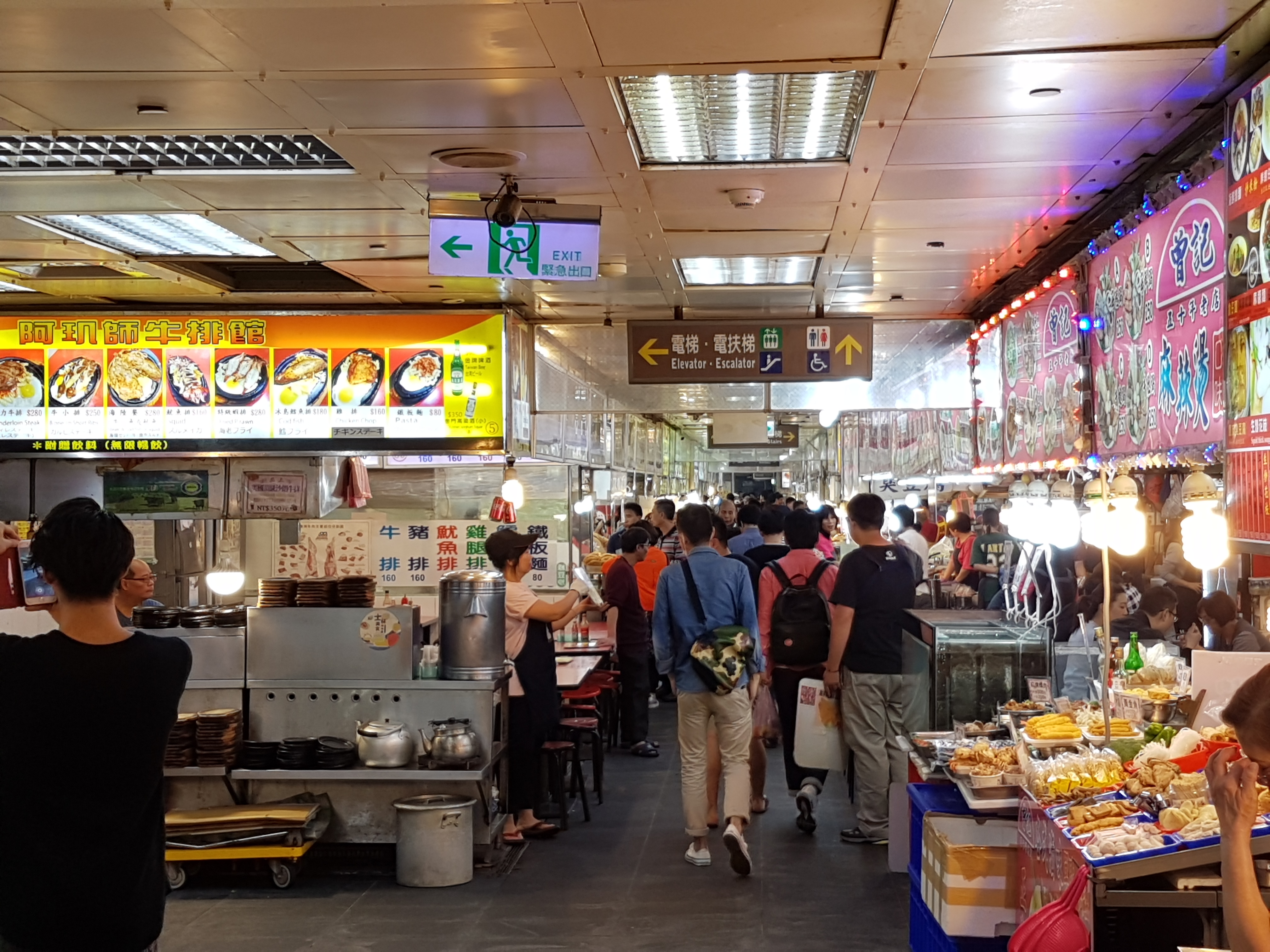
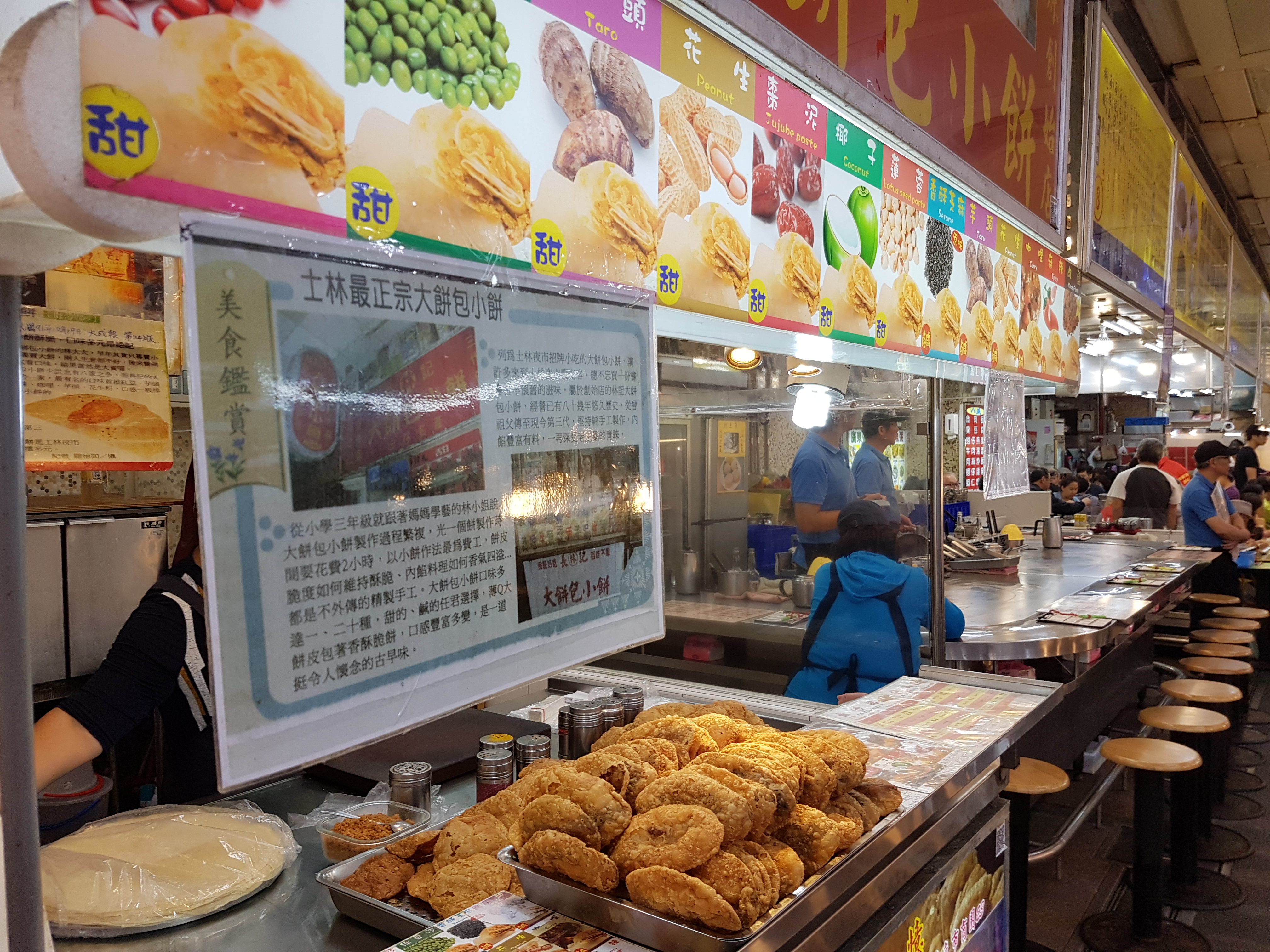
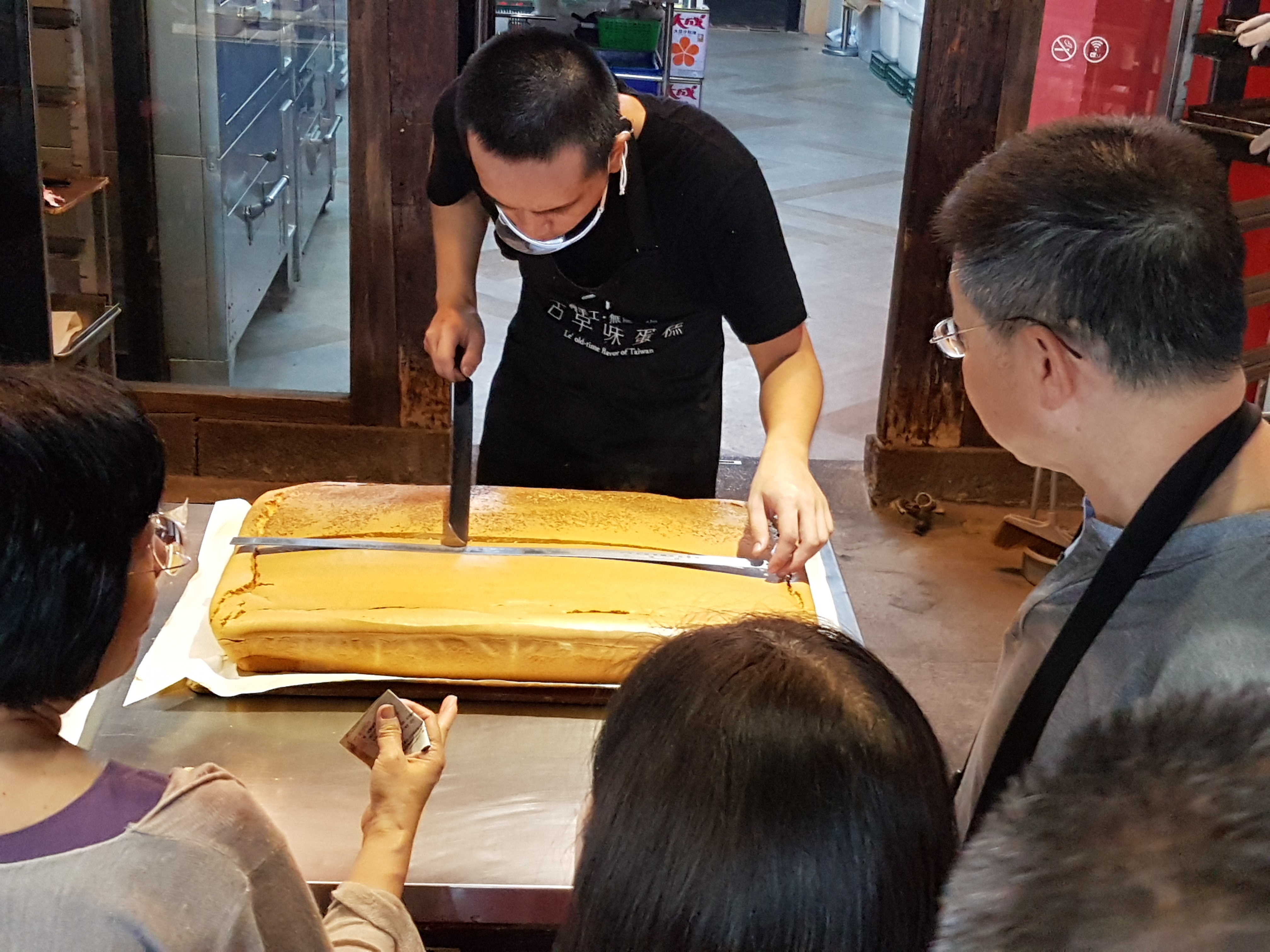
All the usual night market food and then some were present and accounted for. There were special events where young looking chefs cut quivering steaming bread for waiting aunties to bring home.
Japanese tourists were the predominant sight here and in the basement level, there existed a trove of seafood stalls pulling these Japanese tourists in.
I took a bite here and there, got some bubble tea in me, tried some of the more wierd (but not too wierd) delicacies before making by way back to XMD with a bloated stomach.
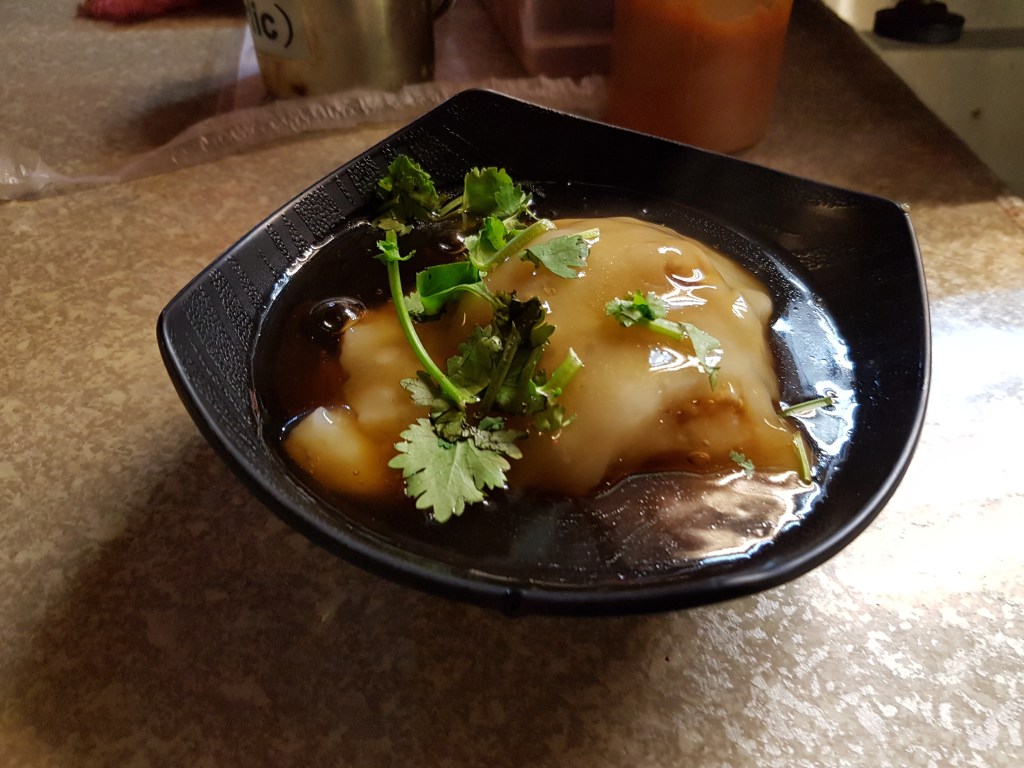
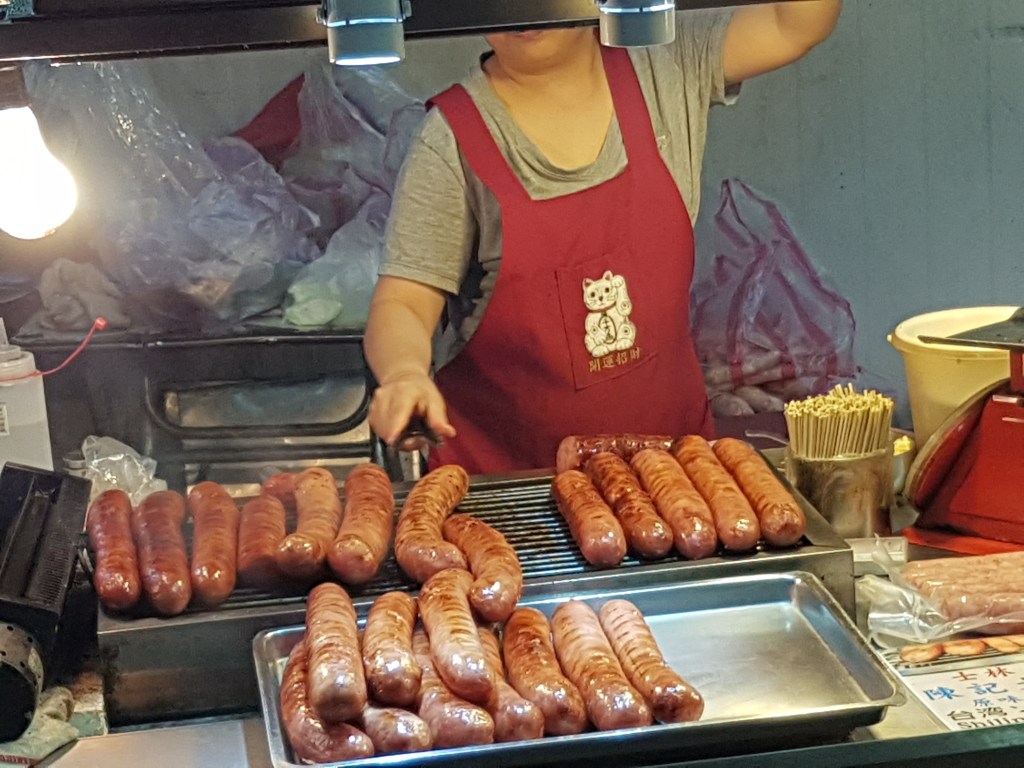
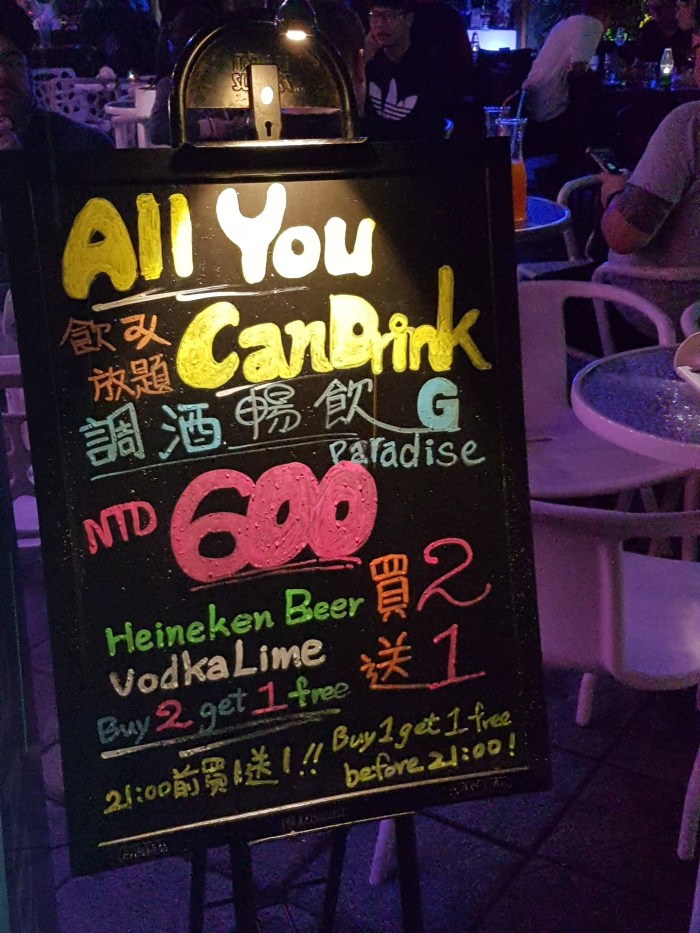
I had some errand shopping to do for the folks back home (face cream, make up etc for the ladies) and then I was time to hit the Red House for free flow alcohol.
Needless to say, the last coherent thoughts I had were swimming in a pool of booze, more booze, and then staggering home in the light rain.
*post note: I would like to add in hindsight that this was one of my more memorable days of the trip – not because it was so “fun-filled”; but because I took a route “less-traveled” by traditional tourists to Northern Taipei; ie: travel to Beitou and then Tamsui, cut across the River to Dali, then the museum and later a long bus ride back to Shilin Market. This was because I had an agenda different from most normal tourists and was very motivated to squeeze as much things to do as I could in one afternoon (so I didn’t have to come back here a second time).
It helped that I was not afraid to try bus routes lifted purely from google map.

 Wanderer's Anthology
One thought on “Taipei Solo Trip – Day 4 (14 Nov 2017)”