Background
It was a pretty long ride from Chiang Mai to Chiang Rai.
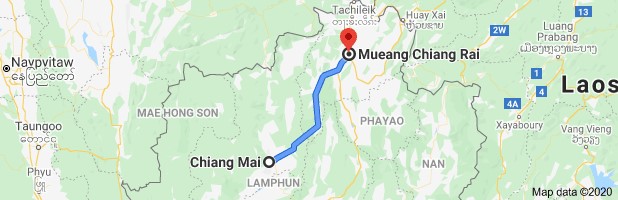
We hired a couple of cars and the travel itself was an experience. We even took a short meal at a tourist stop and visited a nearby temple before reaching Chiang Rai proper.
Chiang Rai City is written to be a sleepy provincial town with a pleasant atmosphere. Compared to its sister town Chiang Mai, it has a more relaxed and down-to-earth feel but is never short on historical and cultural attractions of its own. Founded in 1262 as the capital of the Mengrai Dynasty, after Chiang Saen, today the city retains a strong Lanna identity, mostly through its impressive collection of temples, art, language, cuisine and music. (source http://www.thailand-guide.com/chiangrai/)
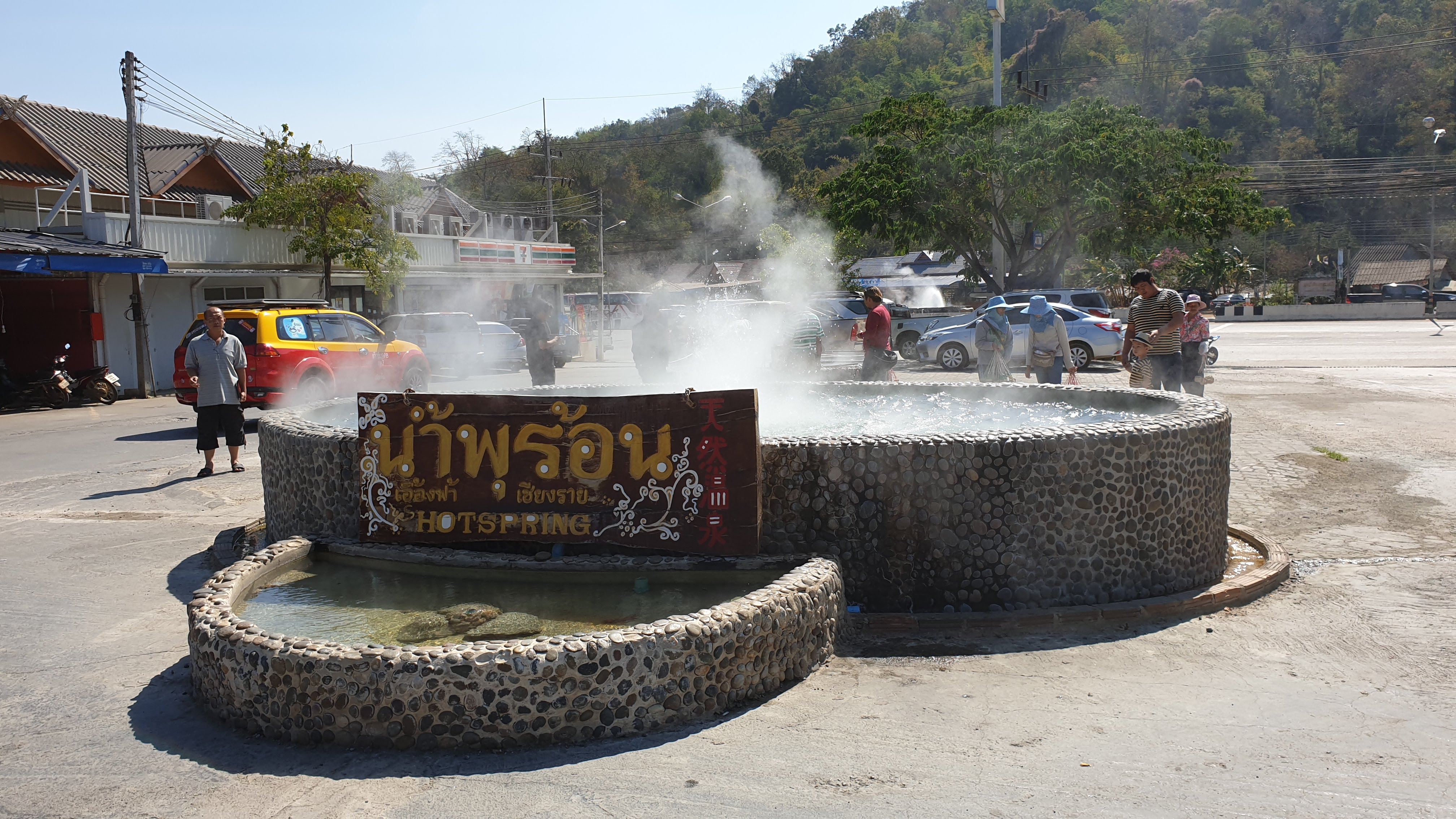
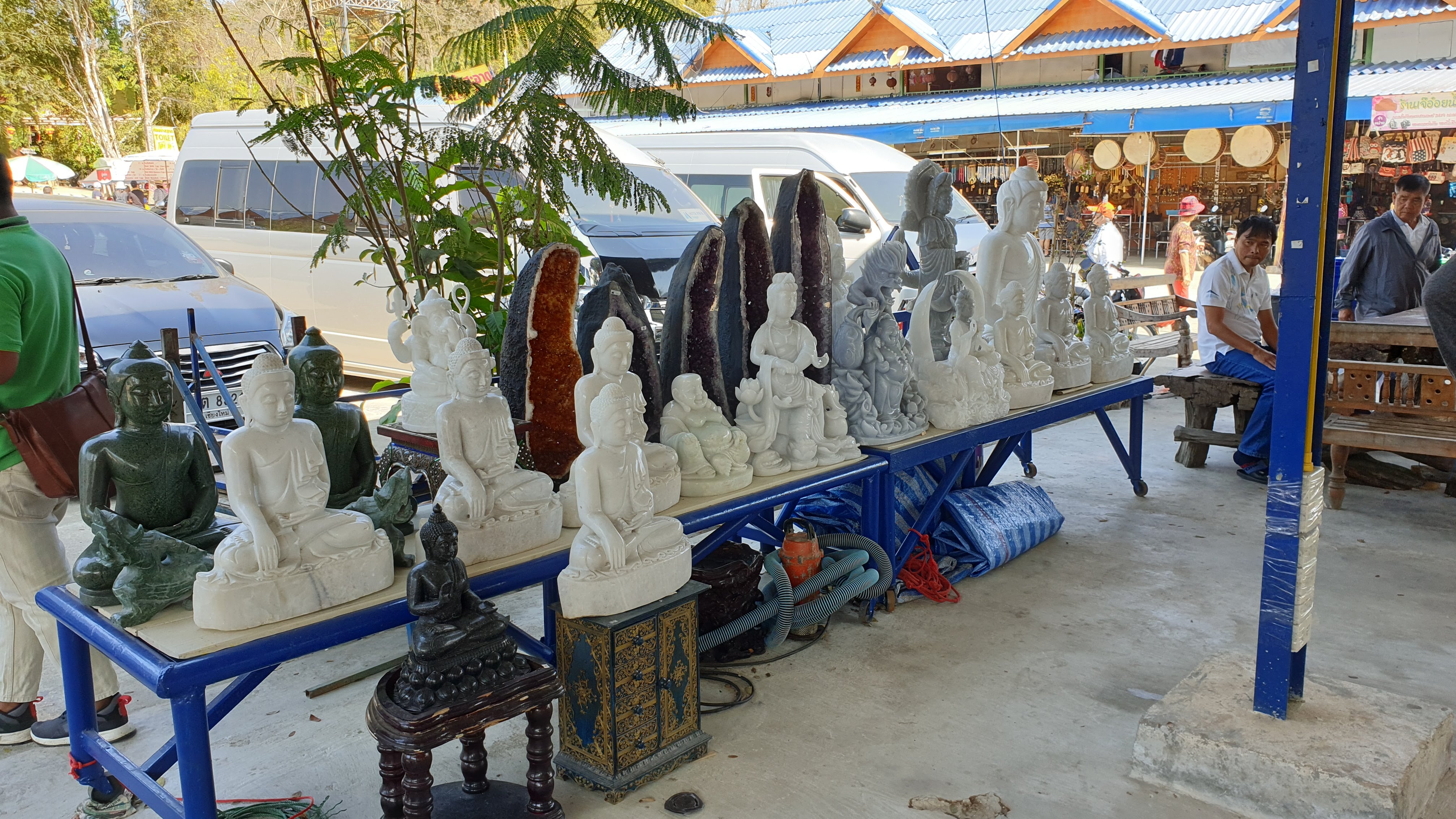
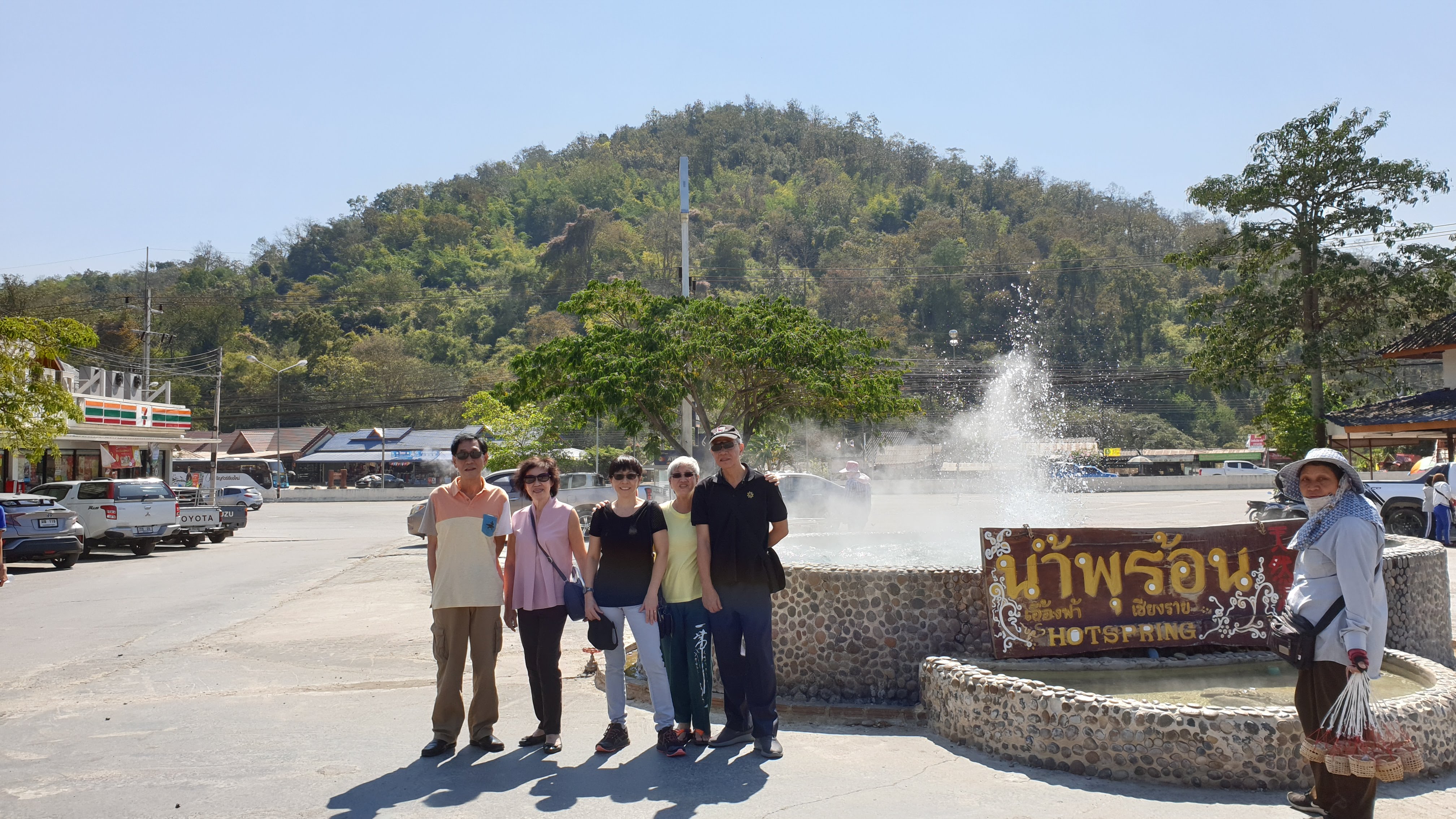
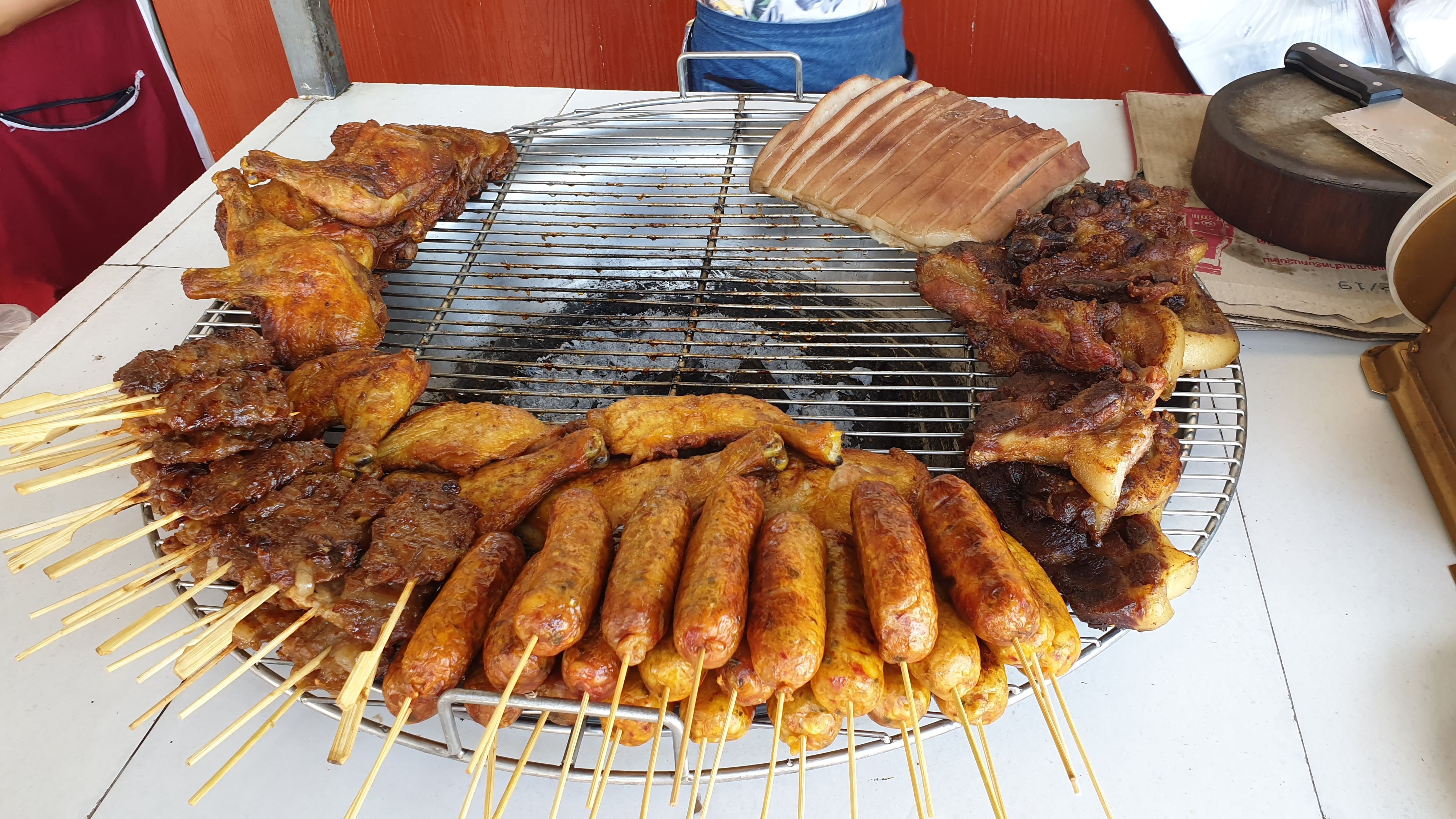
We stayed in the Pimann Inn, which was pretty good for something simple and not fancy. Basically the point of the aunties coming here was that it was the gateway to the Golden Triangle, which was their ultimate destination. On the other hand, drinkers are resilient and will always find a way.
The scenic route
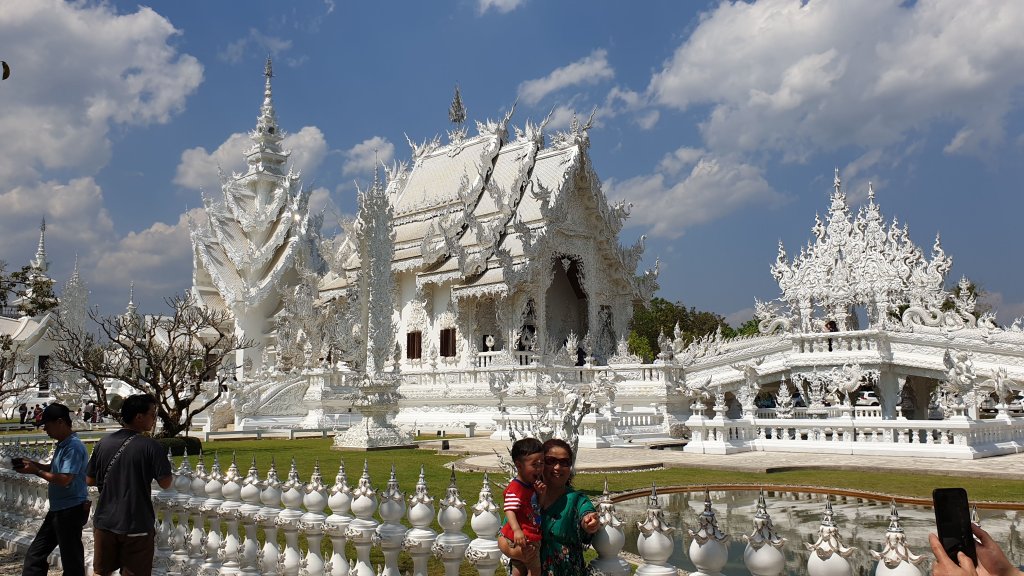
While there were many famed temples littered throughout Chiang Rai, Wat Rong Khun – the White Temple was a must-see for the uninitiated. This was the only family-friendly tourist landmark I visited throughout the entire trip.
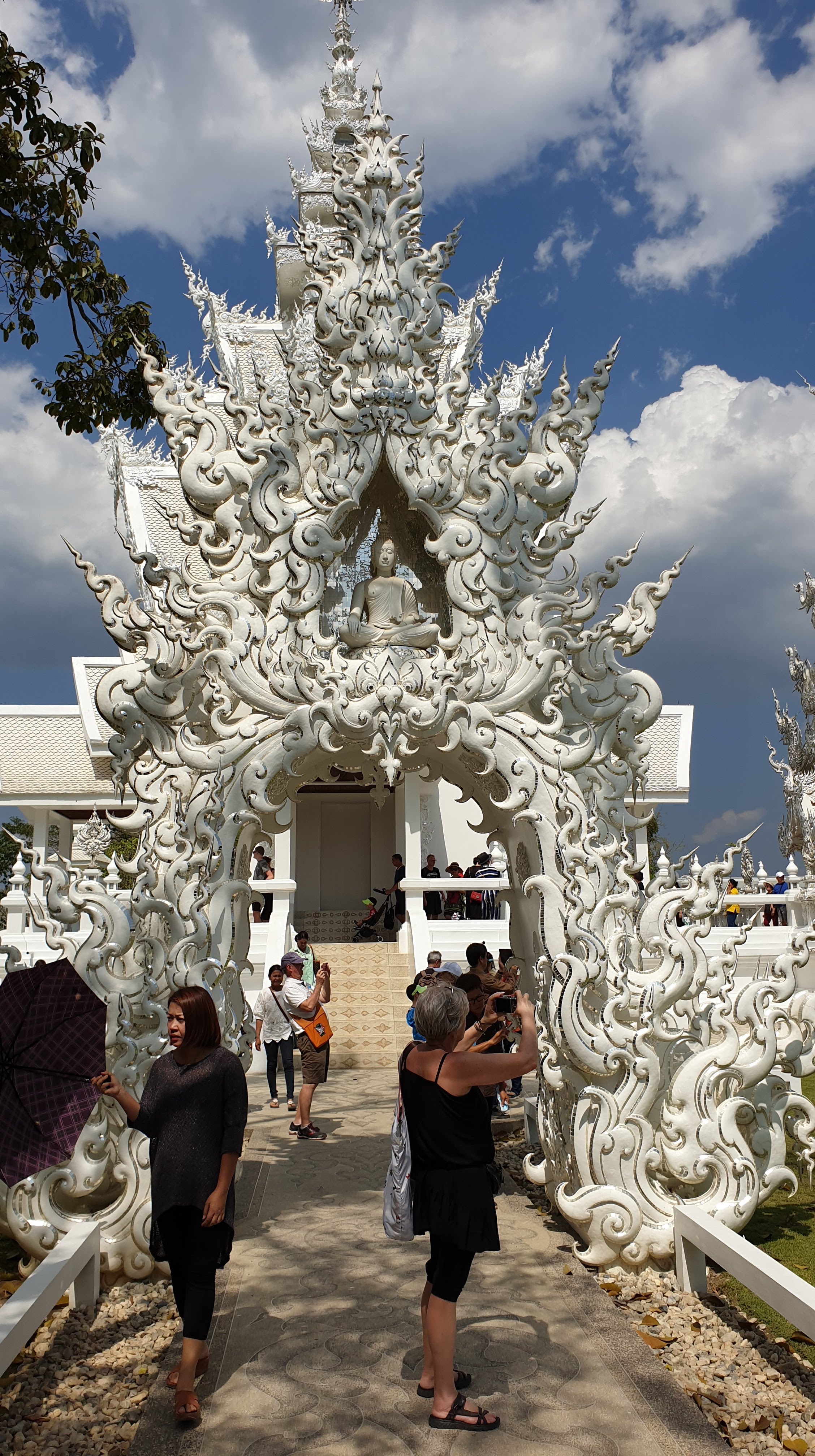
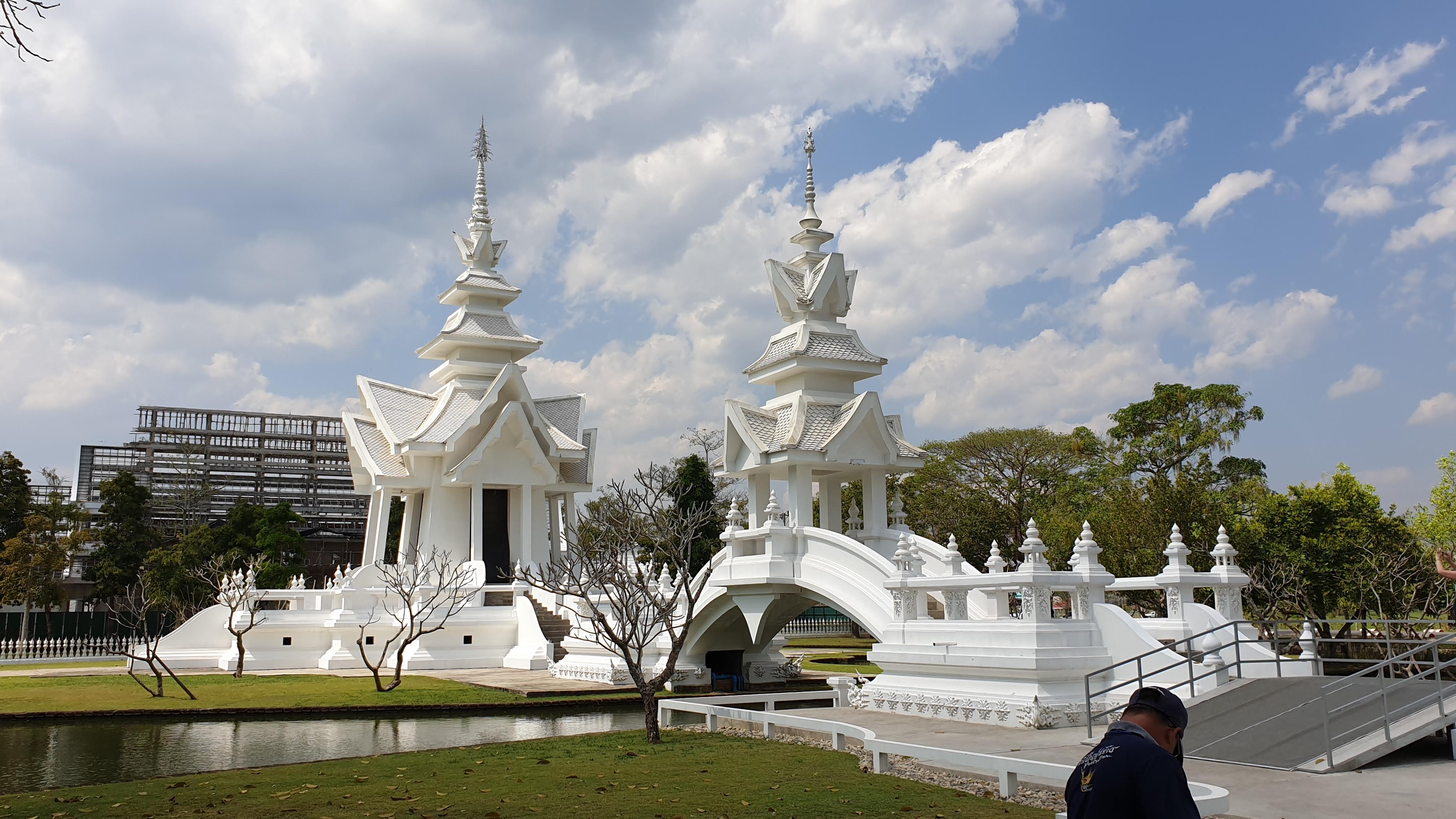
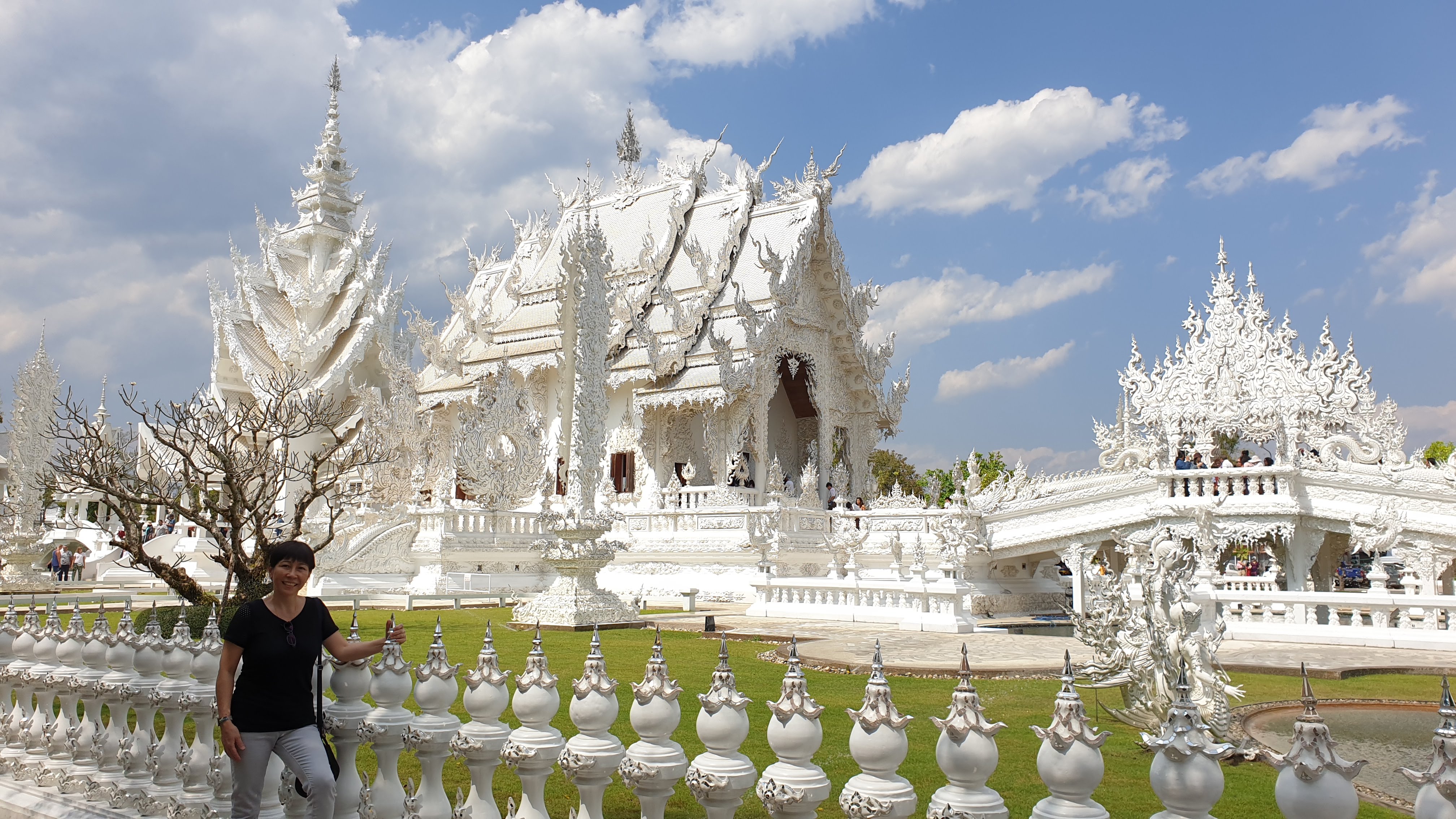
Located about 5 km south of Chiang Rai City, this breath-taking temple was created by Chiang Rai-born visual artist and painter Chalermchai Kositpipat. The temple featured unconventional architecture, fusing various elements with orthodox Buddhist teachings with his own imagination. We found the temple to be filled with Buddhist symbolism and within, 2 Buddha images appeared to be floating on a lotus pedestal, set against an elaborate mural in many hues of color.
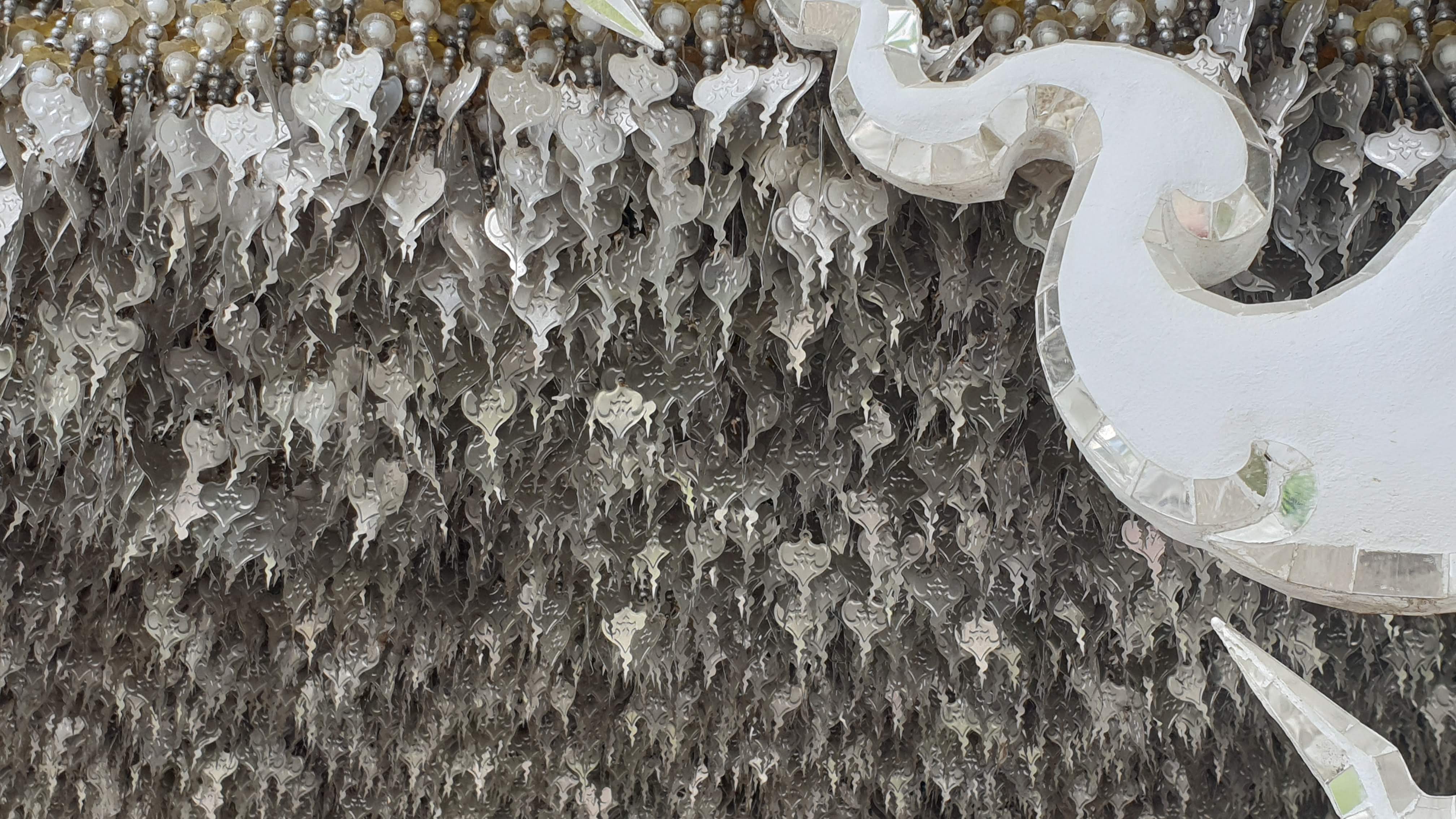
It certainly was beautiful, and anybody coming to Chiang Rai should take some time to come marvel at the pristine, white arches embroidered with shiny metals. Even the shelter over the corridor leading from the temple boasted a ceiling decorated with metallic leaves. The grounds looked well-kept and were complimented with the soothing sounds of monks chanting from the enclosed halls in the hot afternoon.
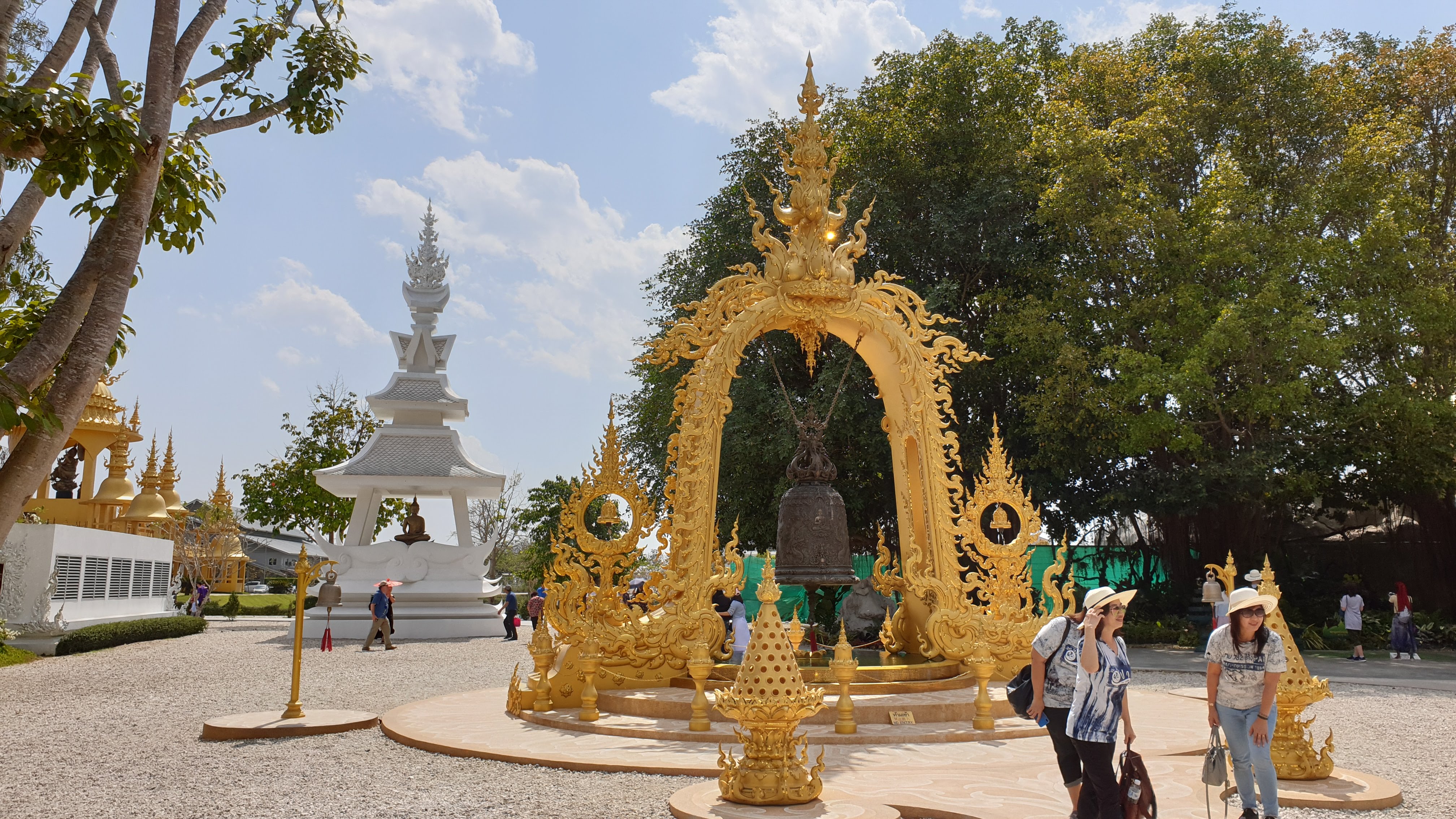
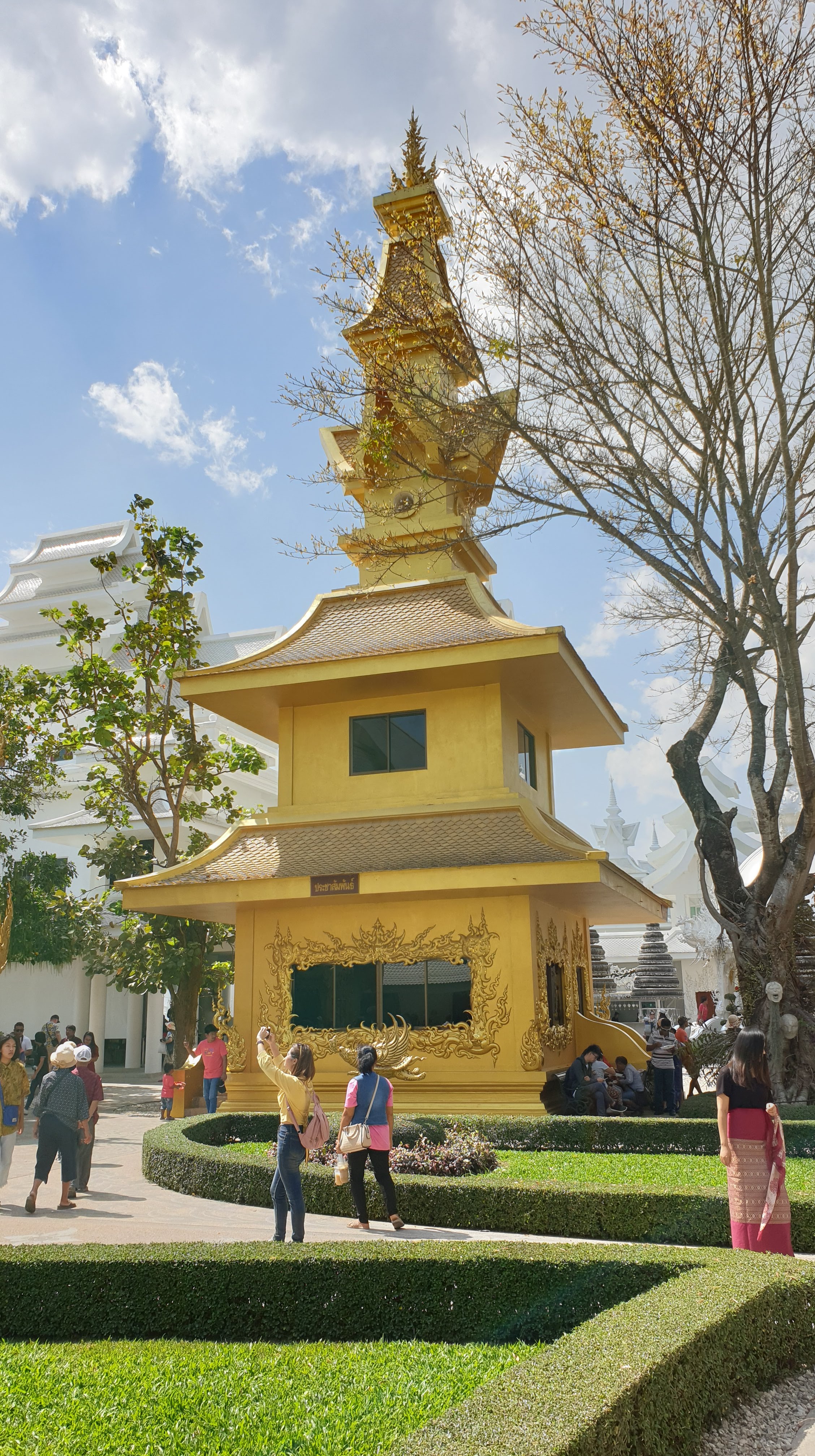
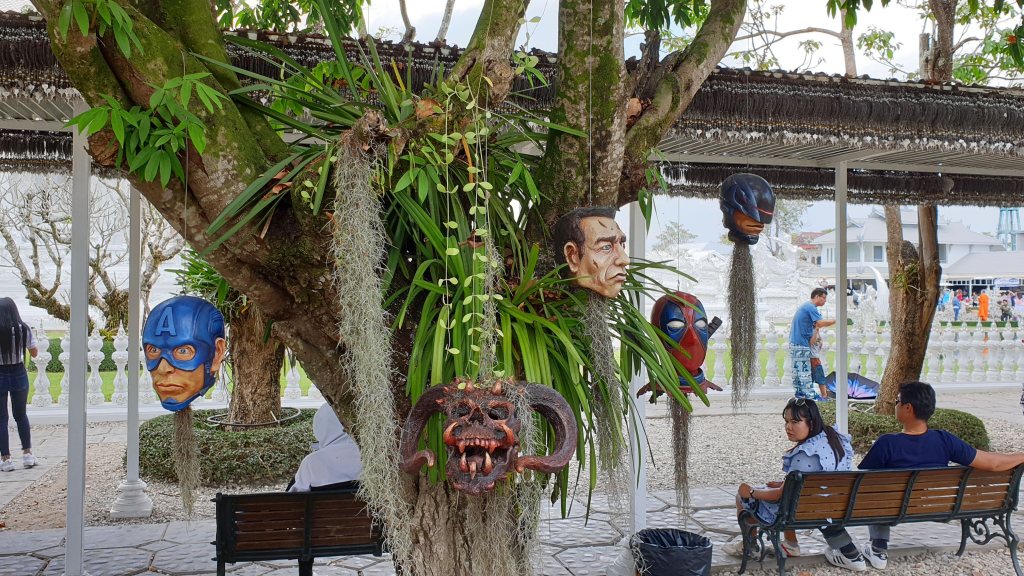
Oddly, the artist left various “Easter egg” references to pop culture all around the compound – I was not sure if this was a joke or a deliberate attempt at fusion art; merging Buddhist and pop culture together. There were even wooden heads hanging from various trees depicting famous movie characters like Marvel heroes and whatnot. I later read that Chalermchai uses icons from modern culture to tell the stories of the Buddha’s life and his teachings on these murals, creating memorable impressions upon visitors. Kudos to him, I think.
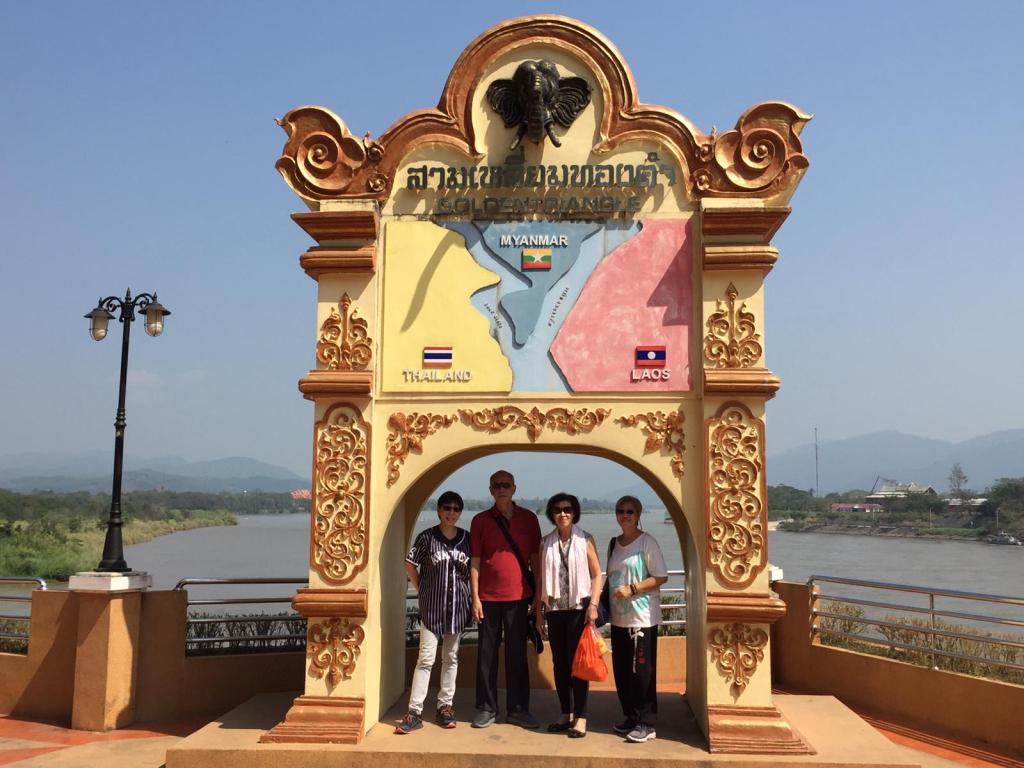
The other attraction which one might be interested in was the visit to the Golden Triangle, and the nearby province of Mae Sai. Here, some would find it fascinating to literally take a selfie at the northernmost border of the Thailand. The Golden Triangle was named as it lined the border between 3 countries: Thailand, Laos and Myanmar. One could literally see Laos and Myanmar across the waters of the Mekong River, and in the past, when Laos was still shrouded under the rule of a communist government, this tourist attraction took on a more sombre note – much like visiting the DMZ between North and South Korea.
The Booze route
The reviews from Google had already touted Chang Rai as a laid back town with little or no night life in recent years (as compared to Chiang Mai or Bangkok) . We verified this from a waitress that a couple of years ago, the military cracked down on vice and other criminal activities and the night life barely recovered from then on.
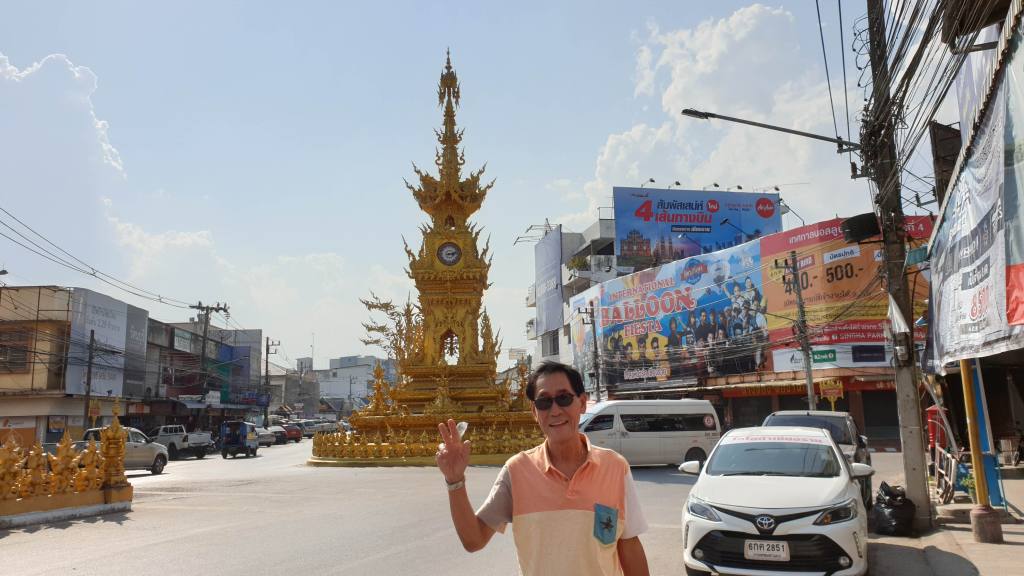
The famous Clock Tower (picture) is perceived to be like the center of the entire town and was a great landmark for first-time visitors like us to take note of. It was very eye-catching, on the ostentatious side; and more importantly, all taxi drivers knew what we were referring to.
South of the Clock Tower was a road name Jetyod, and this was supposed to be where the majority of the night life happened. In present times though, there was another place further south where the locals went for clubbing and high class night clubs. This was where you needed to go to see all the sweet young Thai Girls partying the night away. Here at Old Jetyod Road though, was now the “has-been” part of the town which had evidently seen better days.
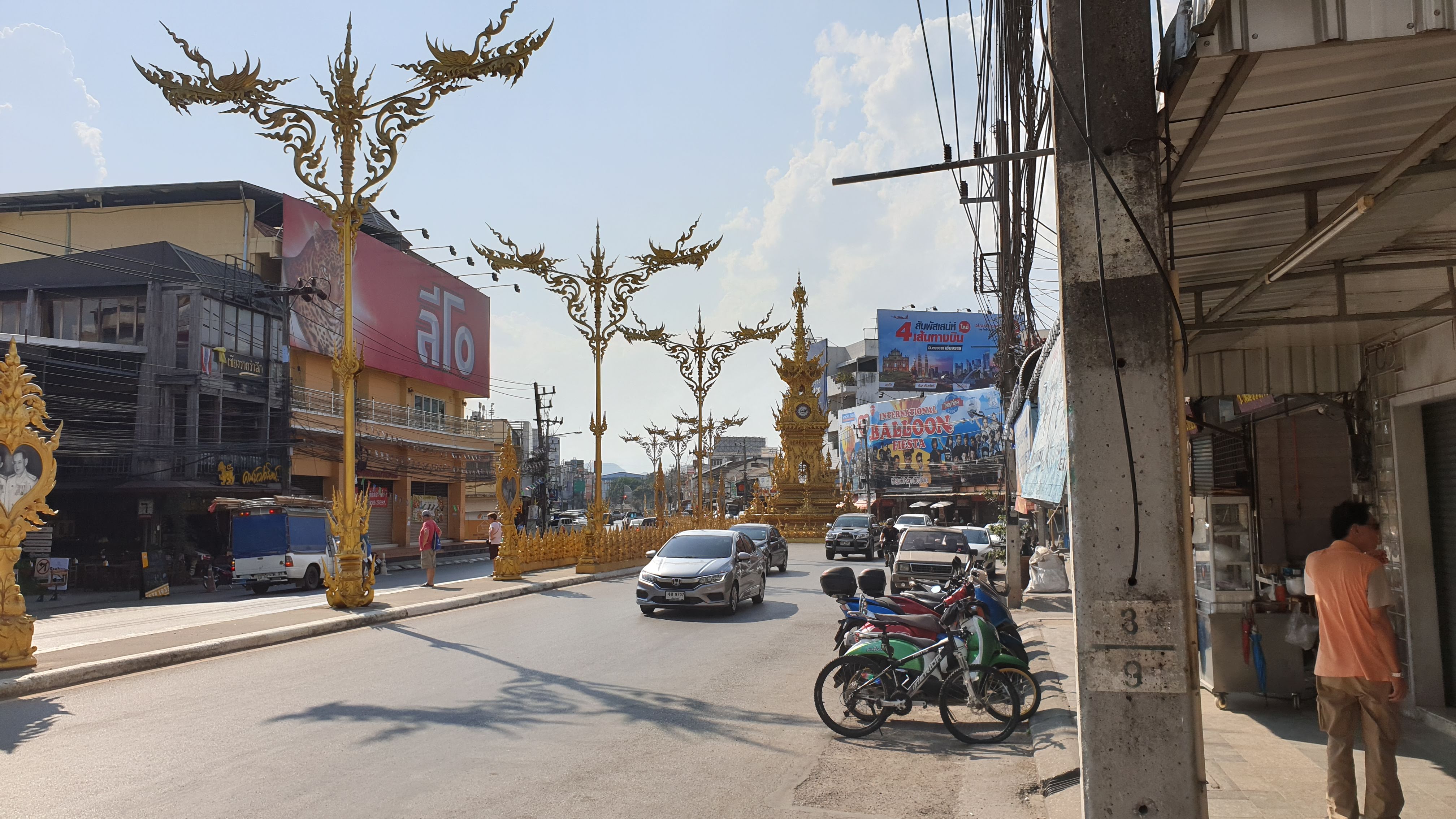
There were less than 10 customers on the entire street. A handful of pubs opened at around 7pm but thankfully these pubs were pleasant enough to spend time within. As for bar girls, there were only a handful and they were more about making sure the shop opened, than luring guests in.
In short, the official “Red light district” in Chiang Rai proved to be truly laid back and it felt more like those quiet, sleepy cowboy towns featured in western flicks that you accidentally rode in.
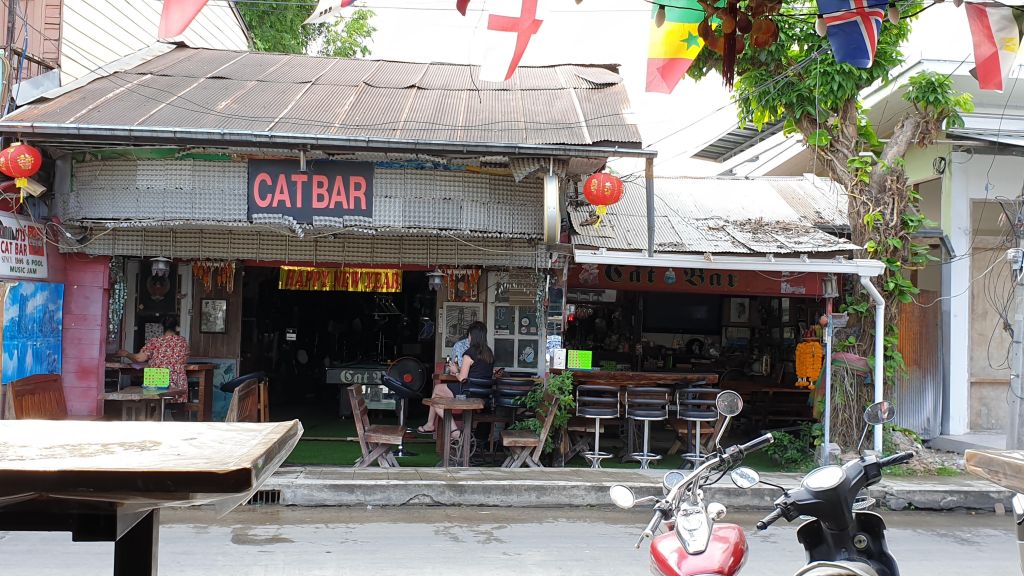
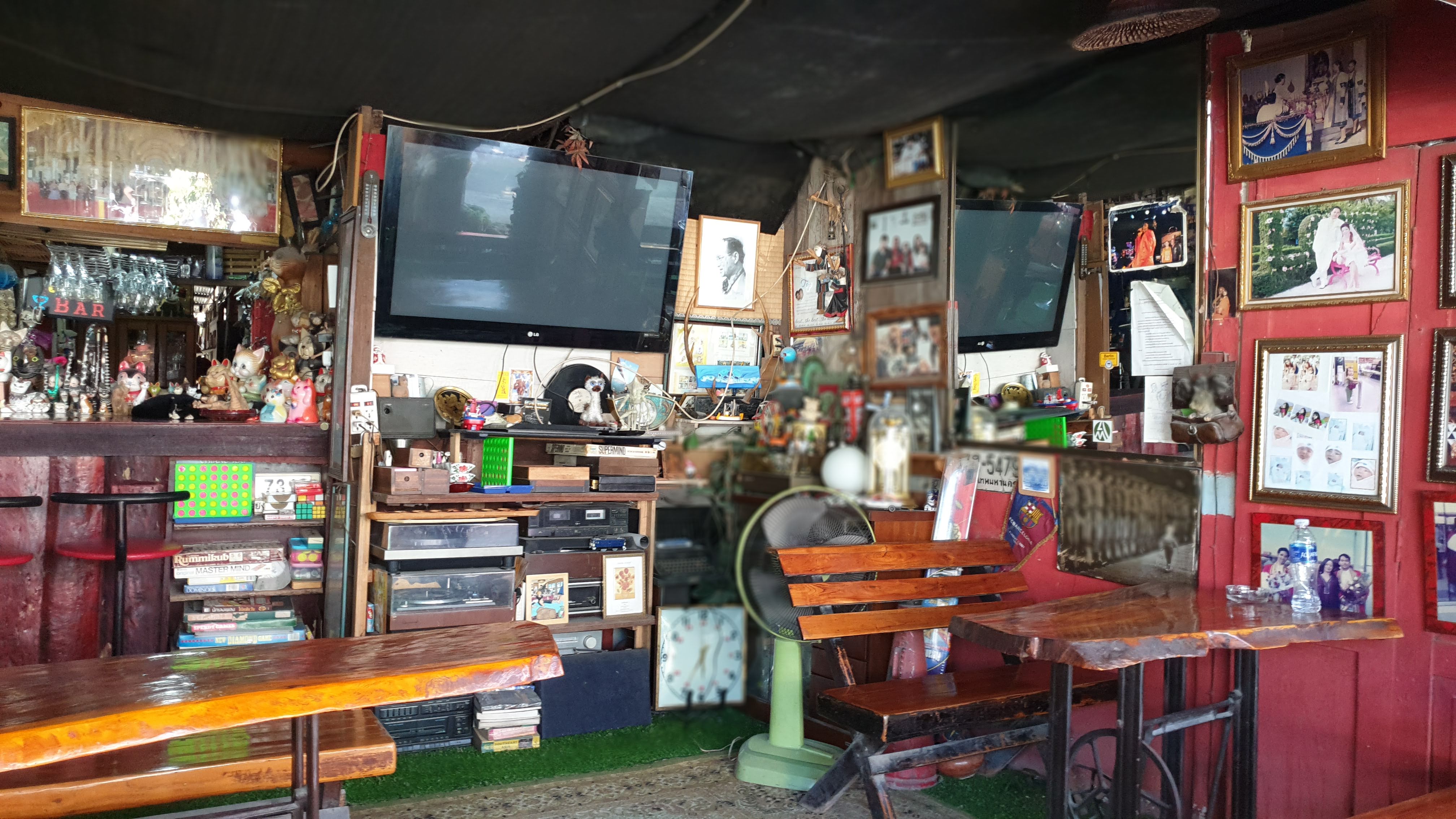
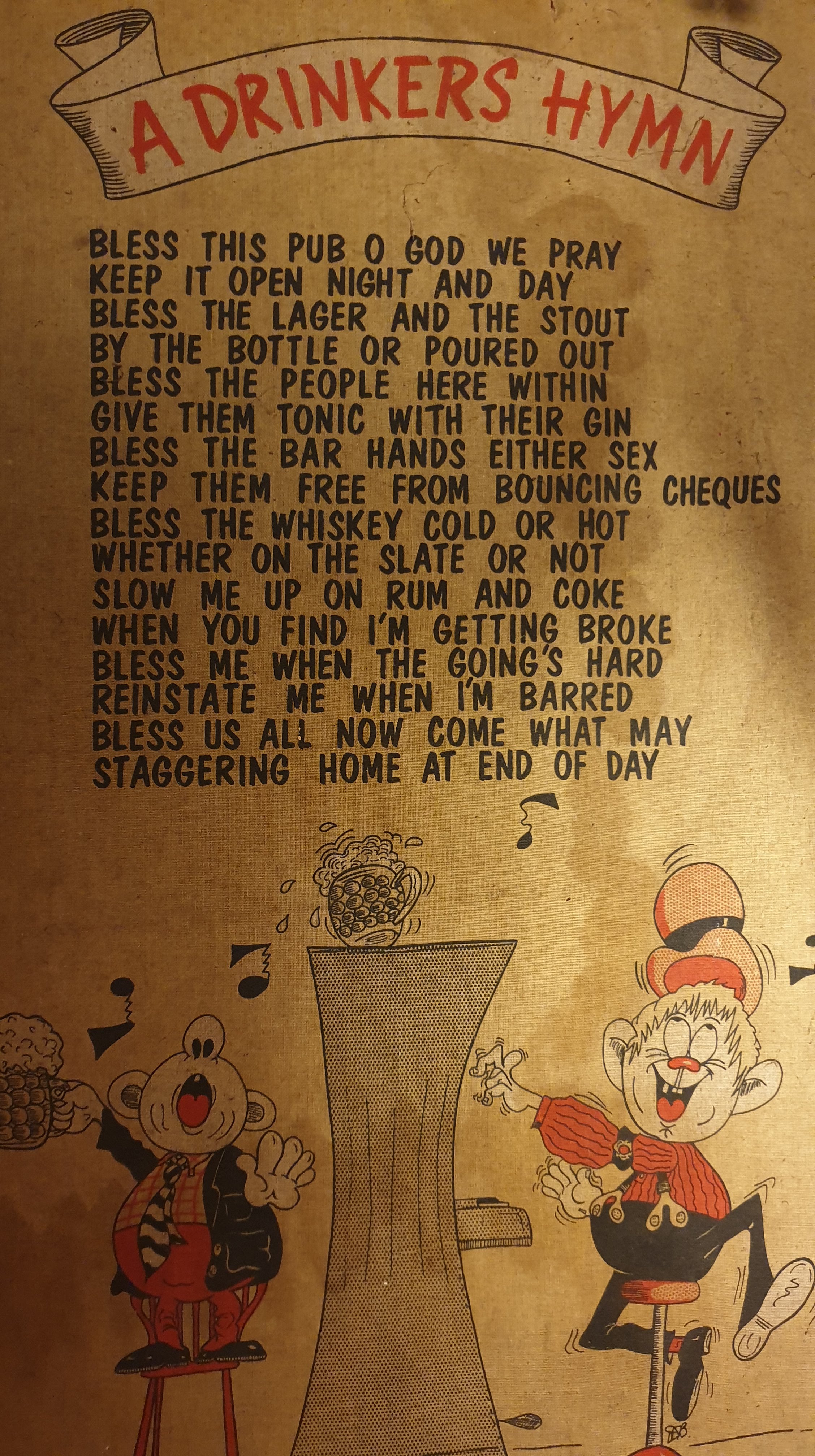
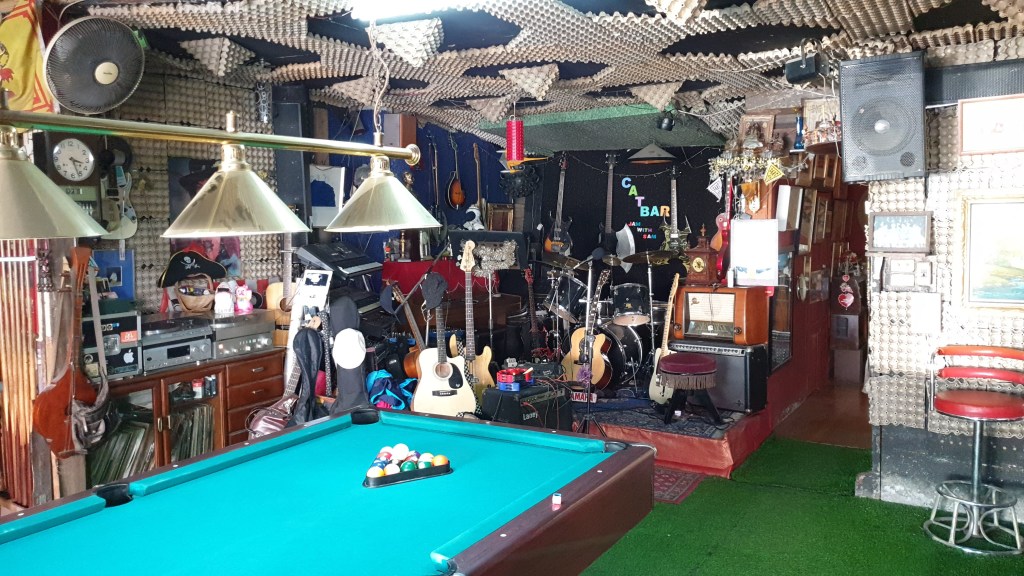
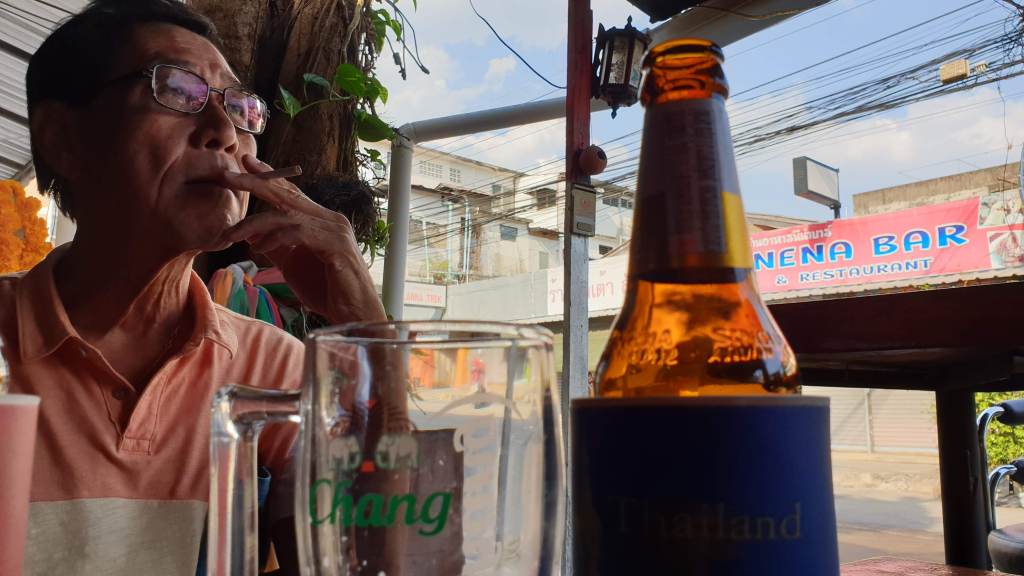
One pub stood out to us as an icon of the street’s past glory days. The Cat Bar was a pub full of 70s and 80s memorabilia, and we instantly took a liking to it. Wooden benches filled the front and in the back and one could see a decent-sized stage for a band and a pool table before it. When we went in the first time right in the middle of the afternoon, the old man minding the place was sleeping right there in the open. He brought us the beers and we whiled the hours away watching the action (or lack of it) on the streets.
During the following 2 days that we spent at the Cat Bar, very little happened on the streets of Jetyod Road. Yes there were the pubs, and some of them had pretty good sound systems, mind you. Mostly middle-aged women, with the occasional pretty young girl could be spotted trying to woo passersby to patronize their pub; but the mostly Eurasian pedestrians paid little heed to them, or maybe it was just too early in the evening. Even that ladyboy bar around the corner, which was supposed to be quite famous 2 years ago according to the internet, appeared to be an empty husk.

 Wanderer's Anthology
One thought on “Chiang Rai (second leg)”